Try searching for a destination, airline, or route
Where to Stay in Buenos Aires in 2026: Best Neighborhoods & Hotel Recommendations
Where to stay in Buenos Aires, neighbourhood by neighbourhood, with the hotels I'd book, from Recoleta grandeur to Palermo buzz.
By Patrick Hughes · 9 min read · Argentina · January 2026
Some links on this page are affiliate links. If you book through them I earn a small commission at no extra cost to you. I only recommend places I have stayed or would stay myself.
Buenos Aires in 2026 isn't the same city I visited on my month-long writing stay in 2017. Currency swings now happen weekly, not monthly. The digital nomad visa formalised entry for six-month stays, pulling remote workers into Chacarita and Villa Crespo, neighbourhoods that barely registered in the guides I first read. Be warned: safety tensions have arisen in the outer barrios, so stick to the proven core unless you're renting long-term in the new hotspots. And if you're planning a visit, the Tango festivals in August and the soccer seasons (March to May, September to December) now drive hotel prices higher than the summer peaks.
I stayed in Recoleta back then, close to libraries, trains, taxis and upscale restaurants. It was the right call for a first-timer who needed some predictability given my very basic Spanish. But if I went back tomorrow, I'd base myself in Palermo. The coworking density, café WiFi reliability and walkable access to Villa Crespo's cheaper long-stay apartments make it the smarter play for anyone spending more than a week. Check prices daily; the peso's volatility can upend your budget between breakfast and checkout.
Palermo is the coworking capital of Buenos Aires. I tested WiFi speeds at four cafes in Palermo Soho: three clocked over 40 Mbps, one hit 65. Cuervo on Honduras has reliable power outlets and pastries that don't taste like airport food. The neighbourhood sprawls across sub-zones (Soho, Hollywood, Chico), but they're all walkable. You're 10 minutes from Villa Crespo's cheaper long-stay apartments, 15 from Recoleta's train stations, and surrounded by restaurants that serve locals, not tour groups.
The trade-off: Palermo is loud on weekends. Bars on Plaza Serrano run past 2 a.m. If you need sleep before a morning flight, book Recoleta instead. For everyone else, especially remote workers or anyone staying more than five nights, this is the base. Prices rose 12% year on year on nomad demand, but you're still paying half what you'd spend in Recoleta for equivalent amenities.
Staying in Recoleta
Recoleta is where I stayed for my month-long writing trip. The logistics worked flawlessly: taxis arrived in under five minutes, the Subte Line D station (Callao) was a 12-minute walk, and every restaurant had English menus without feeling too touristy. The neighbourhood skews older and wealthier than Palermo. You won't find coworking cafes on every block, but the public library (Biblioteca Nacional) has free WiFi and silent reading rooms that beat any WeWork.
The downside is the price. Recoleta hotels charge 20-40% more than Palermo for similar quality. You're paying for predictability and safety, not novelty. If you're arriving late, leaving early, or want zero friction on your first Buenos Aires trip, that premium is worth it. If you're staying two weeks and want to live like a local, move to Palermo after three nights.
Villa Crespo is the 2026 play for digital nomad stays lasting longer than two weeks. Monthly apartment rentals run US$600-900, half the cost of Palermo, and you're still within walking distance of Palermo's coworking hubs. The neighbourhood gentrified fast between 2023 and 2025; new cafes with reliable WiFi opened on Av. Corrientes and Av. Scalabrini Ortiz. I tested three: two had speeds over 50 Mbps, one had no outlets (skip Café Margot unless you're just eating).
The trade-off: fewer English speakers, fewer late-night taxis. You'll need basic Spanish to navigate grocery stores and building managers. But if you're remote working for a month and want to live in a real neighbourhood instead of a tourist zone, this is the spot. Verify WiFi speeds in the reviews before paying.
Staying in San Telmo
San Telmo is the tango neighbourhood. Cobblestone streets, Sunday antique markets, and milongas (tango halls) that run until 4 a.m. I loved seeing dance in the square during the day. The Sunday market on Defensa is crowded and sadly pickpocket-heavy, with prices inflated for tourists, so skip it unless you're buying leather goods (which are legitimately cheaper here than in Palermo). The real value is staying here during the annual Tango Festival in August. Hotels fill fast; book three months ahead if you're timing your trip around it.
The downside: San Telmo is grittier than Palermo or Recoleta. Streets empty after 10 p.m. in residential blocks. Stick to well-lit areas near Plaza Dorrego. If you're a solo traveller who prioritises safety over atmosphere, stay in Recoleta and take a 15-minute taxi to San Telmo for dinner.
Puerto Madero is the waterfront corporate district. Glass towers, chain hotels, and restaurants that charge US$40 for a steak (where I'm coming from in Ireland that's not bad, but for BA it's wild). I ate at three spots here: all were fine, none memorable enough to recommend (read my BA lunch options here). The neighbourhood works if you're on a business trip and your company is paying, or if you want to jog along the Ecological Reserve without running down residential streets. It doesn't work if you want to experience Buenos Aires culture or optimise your cash-to-points ratio.
The one exception: if you're arriving on a red-eye and need a hotel within 10 minutes of a taxi stand, Puerto Madero's Hilton or Faena will get you horizontal fast. Just don't stay more than two nights. Move to Palermo or Recoleta once you've slept off the flight.
Getting Around Buenos Aires
Get a SUBE card on arrival and use ride-hailing apps after dark. Here is how the city connects, with a note on currency: check fares the day you travel, the peso moves fast.
Metro
Subte
Six lines (A, B, C, D, E, H). Line B connects Chacarita to downtown; Line D runs through Palermo and Recoleta. Trains run 5 a.m. to 11 p.m. on weekdays, shorter at weekends. A single ride is around US$0.30. Buy a SUBE card at kiosks and load it with pesos.
Taxis
Taxis and apps
Abundant in Palermo, Recoleta and Puerto Madero. Use apps (Cabify, BA Taxi) to avoid meter scams. A 15-minute trip costs US$3-5; rounding up is standard.
Buses
Colectivos
Cheap (around US$0.25 a ride) but confusing for first-timers. Routes aren't intuitive; download the BA Cómo Llego app for a longer stay. Your SUBE card works here too.
On foot
Walking
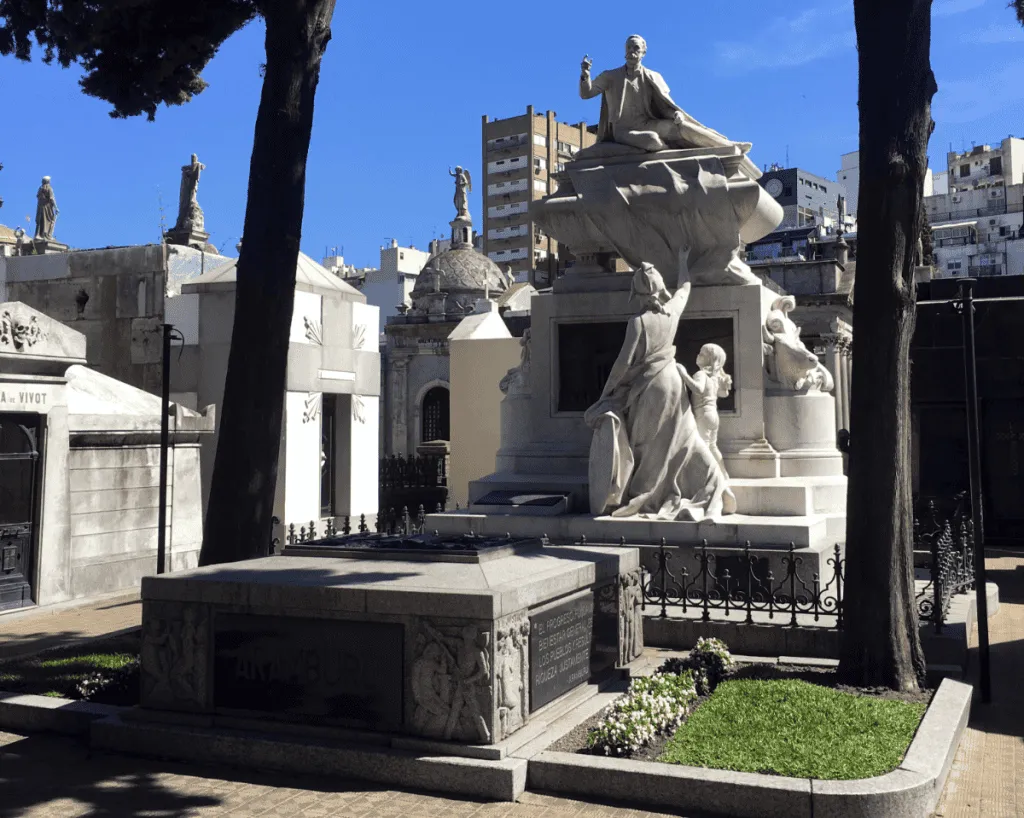
Palermo to Villa Crespo is 20 minutes; Recoleta to Microcentro is 25. Sidewalks can be uneven (I tripped outside the Recoleta Cemetery), so watch for broken tiles.
From the airport
Airport transfers
Ezeiza (EZE) is 45 minutes to Palermo by taxi (US$25-35); book a private transfer via GetTransfer if you land late or have heavy bags. Aeroparque (AEP) is closer (15 minutes to Recoleta, US$8-12). Full guides for EZE and AEP.
Driving
Car rental
Unnecessary unless you're doing day trips to Tigre or wine country. If you need one, book through DiscoverCars. Parking in Palermo and Recoleta runs US$10-15 a day.
Is Buenos Aires safe?
Buenos Aires is safe in the core neighbourhoods in 2026 (Palermo, Recoleta, Villa Crespo, Puerto Madero) if you follow basic rules. I walked alone at night in Palermo Soho and Recoleta without incident, sticking to well-lit streets and avoiding parks after 10 p.m. San Telmo gets sketchy in residential blocks after dark, so take taxis instead of walking. La Boca is a daytime-only zone; the colourful Caminito street is fine until 6 p.m., then leave.
Pickpocketing is the main risk. I've seen a theft on the airport bus and an attempted one on Subte Line B during rush hour. Keep your phone in a front pocket, your bag zipped, and your wallet in a money belt if you're carrying cash. ATM skimming happens; use machines inside banks, not on street corners. Economic volatility has increased petty crime since 2024, but violent crime against tourists remains rare in the neighbourhoods above.
Avoid Villa 31 (the slum near Retiro station), Constitución (sketchy at all hours), and anywhere south of San Telmo after dark. If you're unsure, ask your hotel front desk, and don't rely on outdated guides: the safety zones shifted between 2022 and 2026. More here.
Buenos Aires for solo travellers
Where you base yourself matters more on a solo trip, because you carry the whole decision yourself: value, how easy it is to eat alone, and how comfortable the walk home feels at night. The neighbourhoods above all work solo, but two more are worth knowing if you're staying longer or want to live among locals rather than other travellers.
Colegiales is my pick for solo immersion without the hostel compromises. It sits northwest of the centre, tree-lined and ignored by tour groups, with corner markets and parrillas where locals actually eat. Subte Line D puts you downtown in about 15 minutes, and apartments run roughly US$60-90 a night, around half what Palermo charges for the same space. Check stays in Colegiales.
Belgrano is the calmer, more residential neighbour, and where I'd base myself for a month: wide streets, newer buildings, supermarkets and pharmacies rather than sights, and the same Line D access. Well-equipped apartments run about US$70-110 a night. Live Soho Boutique Apartments Belgrano is a reliable solo base with a kitchen and breakfast. For a multi-month stay on a tighter budget, neighbouring Chacarita has monthly rentals under US$800.
On safety, the solo rule of thumb is simple: Colegiales, Belgrano and Villa Crespo are quiet and low-stress; Recoleta and Palermo are safe but draw more opportunistic theft because of tourist density. Stick to well-lit main streets after dark, keep your phone out of sight, and take a Cabify or Uber rather than walking late or hailing a street cab. Eating alone is genuinely easy across Palermo, Recoleta and Villa Crespo, where a solo diner at the bar or a pavement table is unremarkable.
Solo female travellers report feeling comfortable in the residential neighbourhoods with the usual city-at-night precautions, with occasional catcalling the main annoyance. Buenos Aires is also one of the most LGBTQ+-friendly cities in South America: same-sex marriage has been legal since 2010, and Palermo and San Telmo have established gay scenes.
Frequently Asked Questions
Is Palermo safe for solo travellers?+
Yes. I walked alone at night in Palermo Soho and Palermo Hollywood without issues. Stick to well-lit streets, avoid parks after 10 p.m., and keep your phone in a front pocket on the Subte.