
Kyoto
Kyoto is the counterweight to Tokyo. Where Tokyo overwhelms with scale and speed, Kyoto rewards patience and selectivity.
The temples are extraordinary, the food scene is among Japan's best, and the city has a rhythm that slows you down in the best way. The practical challenge is not getting here - the Shinkansen makes that trivial - but managing your time once you arrive. Temple fatigue is real, and the best days in Kyoto are the ones where you see less, not more.
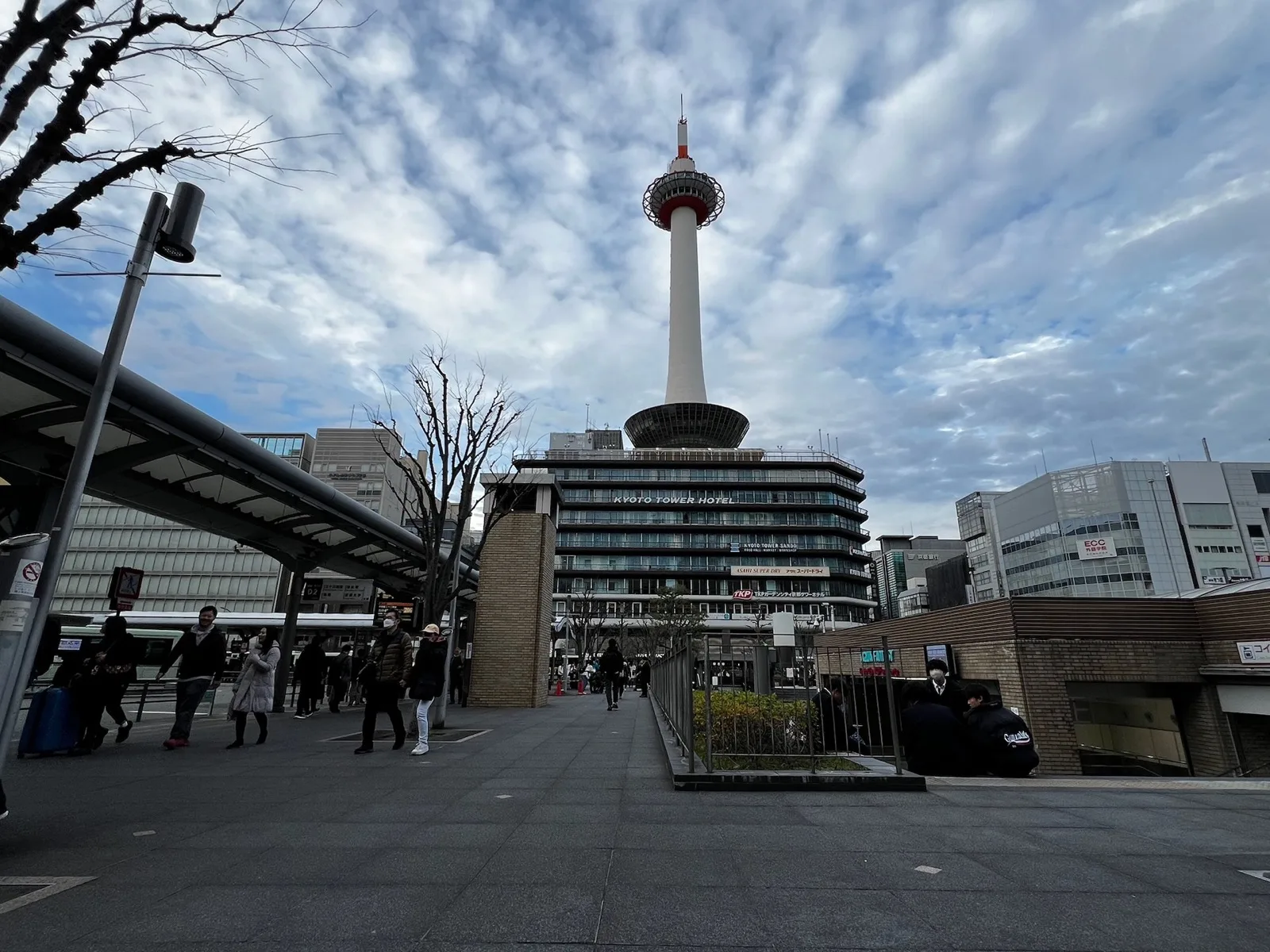
Getting there
From Tokyo: The Shinkansen is the default and the best option. The Nozomi service covers Tokyo to Kyoto in about two hours fifteen minutes, with multiple departures per hour. The Hikari is slightly slower but covered by the JR Pass. The journey itself is part of the experience - watch for Mount Fuji on the right side about forty minutes out of Tokyo (clear days only, and they are rare).
From Kansai International (KIX): The Haruka Express runs directly from the airport to Kyoto Station in about seventy-five minutes. This is the smart choice if you are flying into the region and do not need time in Tokyo first. KIX is well-connected to international routes, particularly from Asia and Australia.
From Osaka: JR Special Rapid from Osaka Station to Kyoto Station in about thirty minutes. If you are based in Osaka, Kyoto is an easy day trip - though it deserves at least two nights.
From within Japan
How Kyoto connects to the rest of the country.
| From | Method | Journey time | Notes |
|---|---|---|---|
| Tokyo | Shinkansen (Nozomi) | 2h 15m | Multiple departures per hour. The Hikari is slightly slower but covered by JR Pass. |
| Osaka | JR Special Rapid | 30m | Frequent service. Easy day trip in either direction. |
| Kansai Airport (KIX) | Haruka Express | 75m | Direct train to Kyoto Station. Smart choice if flying into Kansai. |
| Nara | Kintetsu / JR | 45m | Frequent trains on both lines. An easy day trip from Kyoto. |
| Hiroshima | Shinkansen (Nozomi) | 1h 40m | Direct Shinkansen. Hiroshima and Miyajima make a full day trip. |
Getting around
Kyoto is more spread out than Tokyo, and the bus network matters more than rail for reaching many of the major sights. The buses can be crowded during peak season (cherry blossom and autumn colour weeks especially), but they cover routes that the rail network does not.
The Metro has two lines that handle north-south and east-west movement through the city centre. JR lines connect the station area to western sights like Arashiyama. For the eastern temple district (Kiyomizu-dera, Gion, Fushimi Inari), buses or walking are the practical options.
Bicycle rental is excellent for Kyoto's flatter central areas. The city lends itself to cycling in a way that Tokyo does not - quieter streets, shorter distances between sights, and a pace that suits two wheels. Several rental shops operate near Kyoto Station.
What to see
The headline sights, and how to see them without the crush.
Fushimi Inari
The thousands of vermillion torii gates climbing the mountainside. Go early - by 7am if possible. The crowds later in the day are intense and the narrow paths make it difficult to appreciate the atmosphere. The full hike to the summit takes about two hours and most tourists turn back after the first section, so the upper paths are quieter.
Kinkaku-ji (Golden Pavilion)
Stunning and genuinely worth the visit despite being one of Japan's most photographed sights. The reflection on the pond on a still day is remarkable. Arrive at opening time for the best light and fewest people.
Nishiki Market
Kyoto's kitchen. A narrow covered market with stalls selling pickles, tofu, matcha, knives, and street food. Better for grazing and browsing than a structured visit. Go hungry.
Arashiyama Bamboo Grove
Beautiful but brief - the grove itself takes only ten to fifteen minutes to walk through. Combine it with the wider Arashiyama area (Tenryu-ji temple, the river, monkey park) to justify the journey.
Neighbourhoods & hotels
Where you stay in Kyoto matters more than in most cities. Pick a neighbourhood for detail and hotel picks.
The most practical base, especially if you are arriving by Shinkansen or heading to other cities. Kyoto Station is the transport hub for buses, JR lines, and the Kintetsu line to Nara. The area itself is functional rather than charming, but the convenience is hard to beat. Restaurants and department stores inside the station complex are better than you would expect. A ten-minute bus or taxi ride puts you in the historic districts.
Kyoto's geisha district - lantern-lit lanes, tea houses, and traditional machiya. The most atmospheric base, and priced for it.
The eastern temple district, walkable to Kiyomizu-dera and Gion. Best for travellers who want the historic core on foot.
Kyoto's dining and nightlife centre by the Kamo river, beside Nishiki Market. Central and lively.
Worth the trip
Day trips worth the time, with availability.
Nara day trip
Forty-five minutes by train from Kyoto. Todai-ji (the largest wooden building in the world), Kasuga-taisha shrine, and a deer park where the residents are bold, friendly, and will eat anything in your hands. A full and rewarding day.
Check availability →Fushimi Inari from Kyoto
The thousands of vermillion torii gates climbing the mountainside. Just five minutes by train from Kyoto Station on the JR Nara line. Go early - by 7am if possible. The full hike to the summit takes about two hours.
Check availability →Arashiyama
Bamboo grove, Tenryu-ji temple, the river, and monkey park. The grove itself takes only ten to fifteen minutes to walk through, so combine it with the wider area. Twenty minutes by train from central Kyoto.
Check availability →More on Kyoto
Good to know
Temple fatigue
Three temples in a day is comfortable. Five is exhausting. Build in time for wandering, eating, and sitting.
Bus pass
The one-day bus pass covers most tourist routes and pays for itself in three rides. Buy from the bus driver or at Kyoto Station.
Gion etiquette
The maiko and geiko are working, not performing for tourists. Look, appreciate, but do not chase with cameras.
Cycling
Kyoto is flat enough to cycle. Several rental shops near Kyoto Station. An excellent way to cover the central districts.