
Germany
The rail network alone is worth the trip. The ICE connects the major cities in under three hours; the Nightjet gets you to Vienna while you sleep. The cities do the rest.
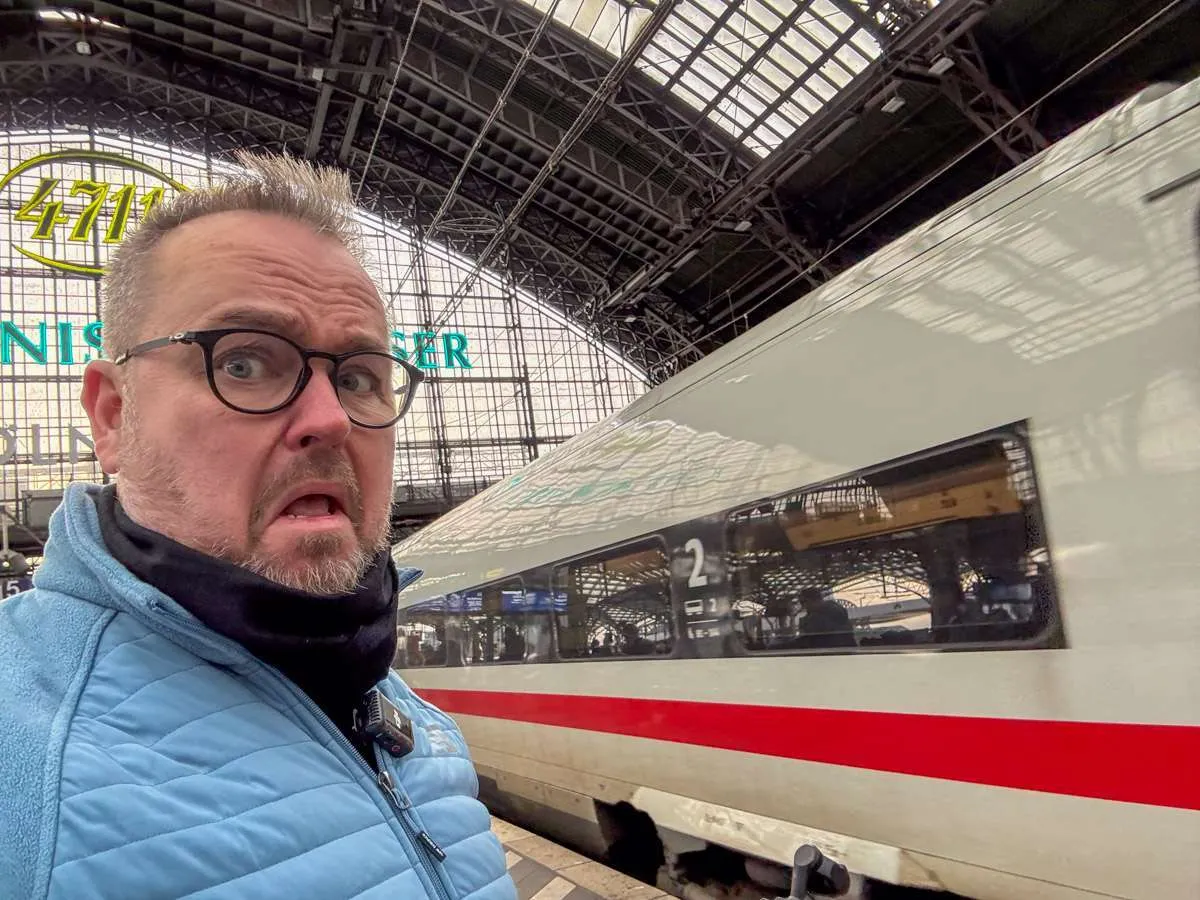
Germany is the most rail-connected large country in Europe, which shapes how you should travel it. The ICE high-speed network links Berlin, Hamburg, Cologne, Frankfurt, Munich and Stuttgart with journey times of two to three hours between the major pairs - flying between German cities is almost always the wrong choice once airport time is counted. Cologne is the natural gateway from the UK if you are not flying: Eurostar runs London to Cologne in around five hours with a single cross-platform change at Brussels, and puts the whole country within reach.
The cities are distinct enough to justify treating each as a separate trip rather than stringing them together. Berlin is the obvious start - the history, the energy, and the sheer density of things to see make it the most interesting capital in Europe to spend a week in. Munich and Hamburg are different cities with different personalities, both worth knowing. The Rhine Valley, Bavaria and the Black Forest fill in the gaps.
The Best Time to Visit Germany
Germany has a temperate continental climate with cold winters and warm summers - more extreme than Ireland or the UK but nothing unusual for central Europe. The figures below are Frankfurt averages as a rough middle point; Berlin is slightly cooler and drier, Munich is colder in winter, Hamburg is wetter year-round. Summer (June-August) is the obvious travel window - long days, reliable warmth, and outdoor terrace culture in full swing.
May and September are the better shoulder months if you want reasonable weather without the peak-season prices and crowds. Christmas markets run from late November to Christmas Eve across every German city and are worth planning around specifically - the markets in Cologne, Nuremberg, and Dresden are the standouts. Expect cold (0 to 5°C) and significant crowds, but the atmosphere justifies both.
Winter outside the Christmas market season (January-February) is grey and quiet in the cities. Useful for budget travellers who do not need outdoor sightseeing. Bavarian ski resorts (Garmisch-Partenkirchen, Zugspitze) make winter worthwhile if that is the reason for going.
Monthly temperature
Frankfurt averages below. Berlin is drier but similar temperatures. Munich is colder in winter. Hamburg is wetter year-round. May-September is the broad good-weather window.
Getting there
Select your origin to see the best routing options.
Flying is quick, but the rail option is genuinely competitive - Eurostar to Cologne (one change at Brussels) drops you onto the German network. From Ireland, fly.
| Carrier | Route | Type | Flight time | Notes |
|---|---|---|---|---|
| Eurostar | London - Brussels - Cologne | 1 change | ~5h | City-centre to city-centre with a cross-platform change at Brussels, onto the ICE network at the far end. Reviewed in Plus class. |
| Lufthansa / BA | LHR - FRA / MUC | Direct | ~1h 45m | Frequent to both hubs, with the widest onward long-haul connections. |
| Ryanair / Aer Lingus | DUB/LON - FRA/MUC/CGN | Direct | ~2h | Low-cost into Frankfurt, Munich and Cologne; the standard routing from Dublin. |
Frequent nonstops into the Frankfurt and Munich hubs - among the easiest European arrivals from the East Coast.
| Carrier | Route | Type | Flight time | Notes |
|---|---|---|---|---|
| Lufthansa | JFK/EWR/IAD/BOS - FRA / MUC | Direct | ~8h | The flag carrier; multiple daily nonstops into both hubs. |
| United / American / Delta | EWR/JFK/ATL - FRA / MUC | Direct | ~8h | The US legacy carriers all serve at least one German hub nonstop. |
| Condor | East Coast - FRA | Direct | ~8h | Leisure carrier into Frankfurt, often the cheaper fare. |
Direct from California to both hubs in around 11h; otherwise one stop on the East Coast.
| Carrier | Route | Type | Flight time | Notes |
|---|---|---|---|---|
| Lufthansa | LAX/SFO - FRA / MUC | Direct | ~11h | Nonstop from the West Coast to both German hubs. |
| United | SFO - FRA / MUC | Direct | ~11h | Nonstop from San Francisco. |
| Various | West Coast - East Coast/Europe - Germany | 1 stop | 14-16h | One-stop where the nonstop times do not suit. |
The reason to come by train and the best way to move once there. The ICE and Nightjet sectors below are first-hand reviews.
| Carrier | Route | Type | Flight time | Notes |
|---|---|---|---|---|
| DB ICE (First Class) | Cologne - Hamburg | Rail | ~4h | EUR 22.87 on a Super Sparpreis advance fare - the best-value First Class in Europe. Reviewed. |
| OBB Nightjet (MiniCabin) | Hamburg - Vienna | Rail | Overnight | A private enclosed berth; arrive rested and skip a hotel night. Reviewed. |
| DB ICE / IC | Berlin - Munich - Cologne - Frankfurt | Rail | 2-4h | Hourly on the main corridors; book Sparpreis advance fares for the big discounts. |
Getting around Germany
Germany's rail network is the best reason to visit by train and the best way to move around once there. The ICE high-speed service connects the major cities at 250-300km/h with departures every hour or two on the main corridors - First Class is worth the upgrade on anything over 90 minutes, especially on advance Sparpreis fares. The OBB Nightjet sleeper network connects German cities overnight to Austria, Switzerland, Italy and the Netherlands. Every major city has an integrated S-Bahn and U-Bahn; FlixBus covers the routes rail misses.
Tested routes
2024Eurostar Plus: London to CologneExcellent→2024Deutsche Bahn ICE First Class: Cologne to HamburgExcellent→2024Nightjet MiniCabin sleeper: Hamburg to ViennaExcellent→Planning the logistics?
The facts above are the short version. The full libraries - flights and rail - live one level down under Getting There.