
Istanbulkart
Rechargeable card that works on trams, metro, ferries and buses. Buy it at the airport or any metro station and load 200 TRY (around €6) to start. It saves roughly 50% versus single tickets.
Istanbul is vast, so the right neighbourhood matters. Where to stay, from Sultanahmet to Karakoy, with the hotels I'd book.
Some links on this page are affiliate links. If you book through them I earn a small commission at no extra cost to you. I only recommend places I have stayed or would stay myself.
Istanbul is massive. I arrived in 2023 on Turkish Airlines business class for a long weekend and made the classic first-timer mistake: I assumed Sultanahmet was the only place to stay. It worked: I walked to Hagia Sophia in eight minutes, but every other tourist was doing the same thing. Restaurant touts do grab at your arm. Prices were inflated. The neighborhood emptied out after dark.
If I went back, I'd stay somewhere quite different. Sultanahmet is fine for a short trip focused on the Big Five sites, but Istanbul has better neighborhoods for food, nightlife, and actual local life. Cihangir gives you bohemian cafes. Karaköy gives you waterfront bars. Kadıköy on the Asian side gives you cheaper hotels and better street food.
I have tested the logistics in Istanbul: yes, I ate in the tourist traps and the neighborhood spots (purely for research purposes!). Here's where to stay in Istanbul in 2026, based on what you want from the city.
| Neighbourhood | Best For | Vibe | Price |
|---|---|---|---|
| Sultanahmet | First-timers, short trips | Historic core, touristy | €€€ |
| Sirkeci | Walkable sites, quieter | Central, better value | €€ |
| Cihangir | Bohemian cafes | Hillside, residential | €€ |
| Karaköy | Waterfront dining, nightlife | Trendy, design hotels | €€€ |
| Kadıköy | Local markets, longer stays | Asian side, cheaper | € |
| Beşiktaş | Bosphorus views, seafood | Lived-in, less touristy | €€ |
This is where I stayed on my last visit in 2023. The upside: I walked to Hagia Sophia before the tour groups arrived. The downside: every restaurant had a guy outside trying to pull me in. Prices were 30-40% higher than neighborhoods 10 minutes away. After 9 p.m., the area felt fairly empty except for other tourists.
Sultanahmet hotels work if you're doing a long weekend and want to maximize time at the Big Five sites (Hagia Sophia, Blue Mosque, Topkapi Palace, Basilica Cistern, Grand Bazaar). You'll walk everywhere. But you'll pay out of pocket for it, and you won't see much local life.
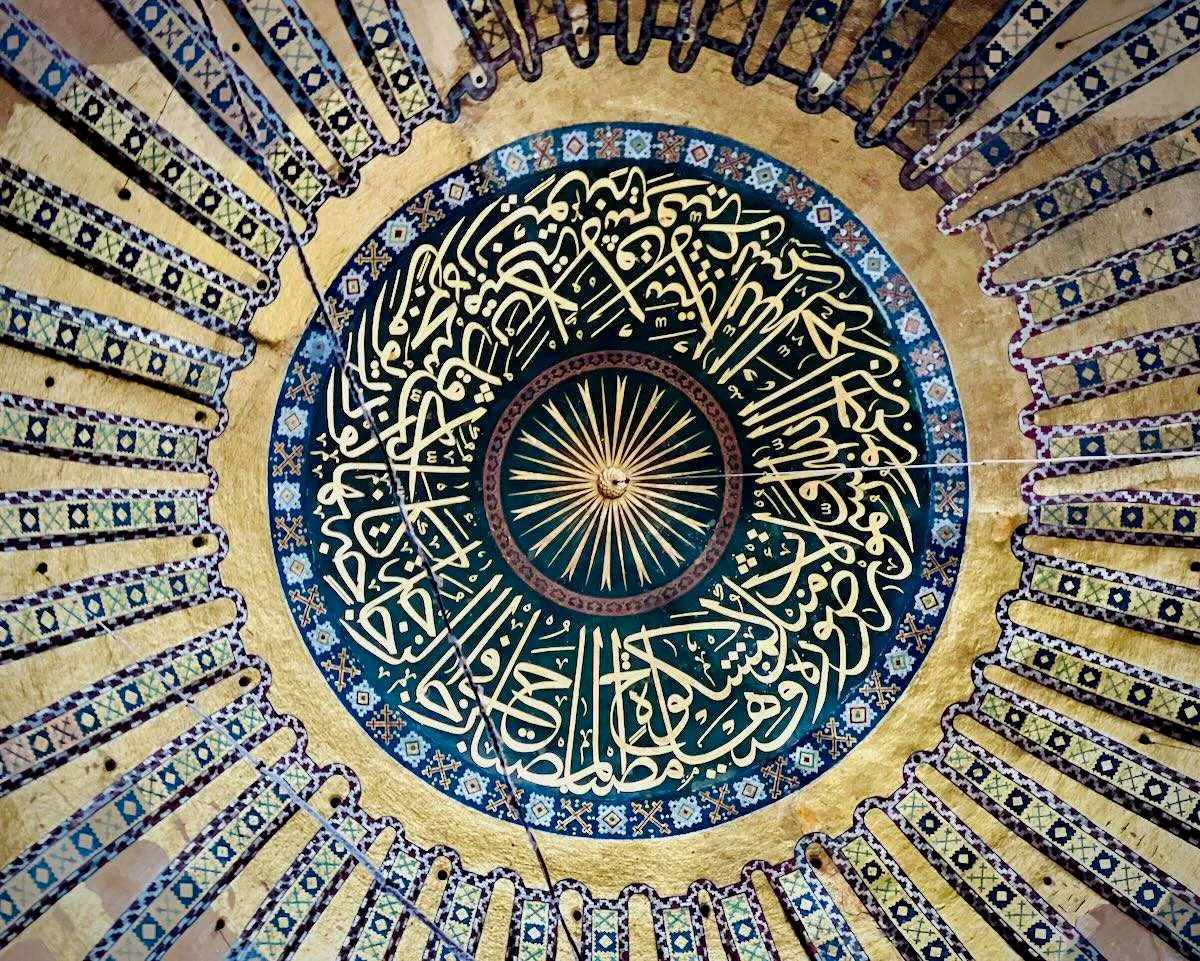
If you stay here, book a guided tour for Hagia Sophia. I tried to make sense of the mosaics on my own and failed. The guide explained the Byzantine-Ottoman layers in 45 minutes. Worth the €30.
Cihangir is the hillside neighborhood above Karaköy in the Beyoğlu districts. It's residential, bohemian, and full of cafes where locals sit with books for three hours. You're a 10-minute walk from the Galata tower area and a tram ride from Sultanahmet. The streets are steep (bring good shoes) but the vibe is calm.
I didn't stay here, but I ate here twice. The restaurants don't have touts. Prices are 20-30% lower than Sultanahmet. You'll see Turkish families out and about, not tour groups.
A Cihangir stay works if you want a neighborhood feel but still need access to the main sites. It's not walkable to Hagia Sophia, but the T1 tram gets you there in 15 minutes.
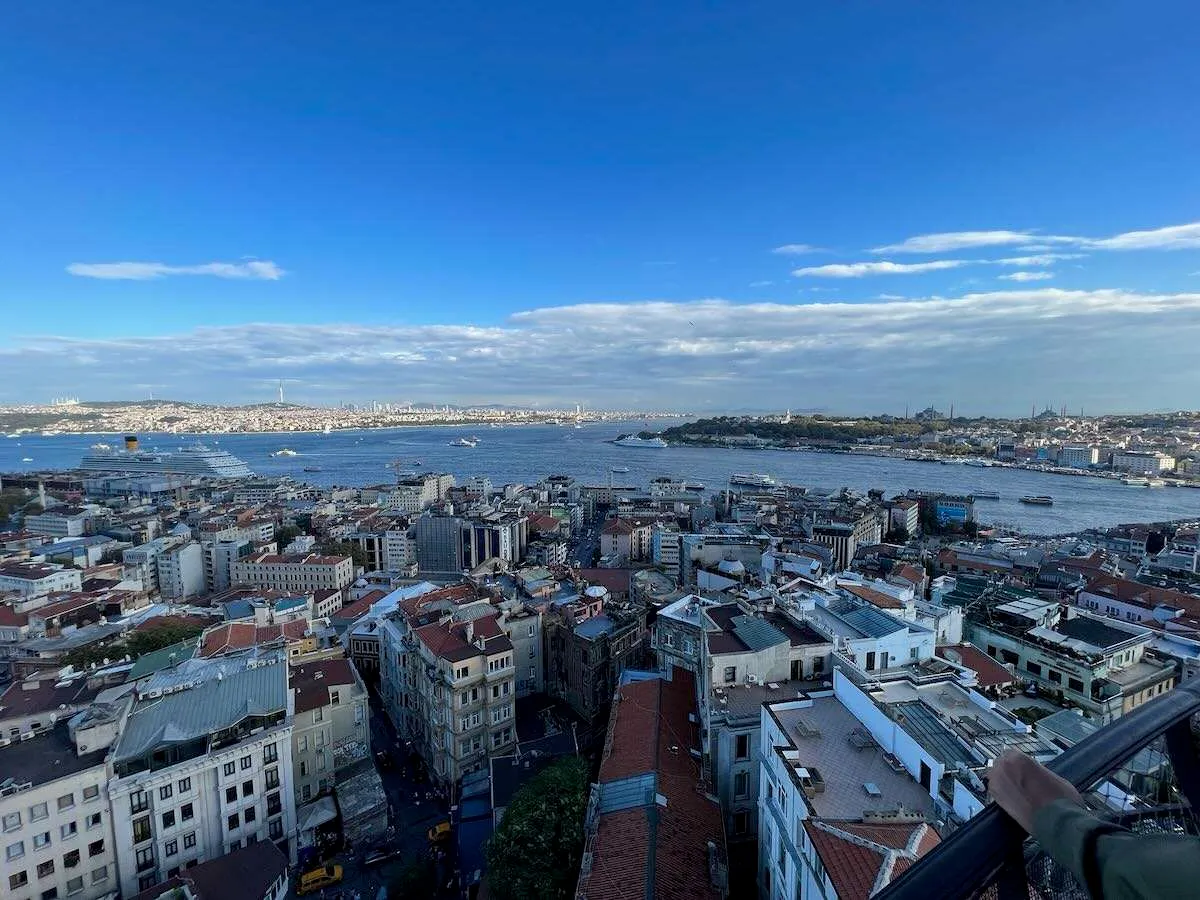
Karaköy is the waterfront neighborhood at the base of Galata Tower. It's been revived over the last five years: think old warehouses turned into restaurants, new boutique hotels, Karaköy nightlife that doesn't feel like a tourist trap. You're on the Golden Horn, with ferry access to the Asian side.
The Peninsula Istanbul opened here in 2023. That tells you where the money is going. Karaköy is trendy without being pretentious. You'll pay more than Kadıköy but less than Sultanahmet, and the food is better.
Karaköy works if you want design-forward hotels, waterfront dining, and nightlife. It's not walkable to Hagia Sophia, but the T1 tram runs through the neighborhood.
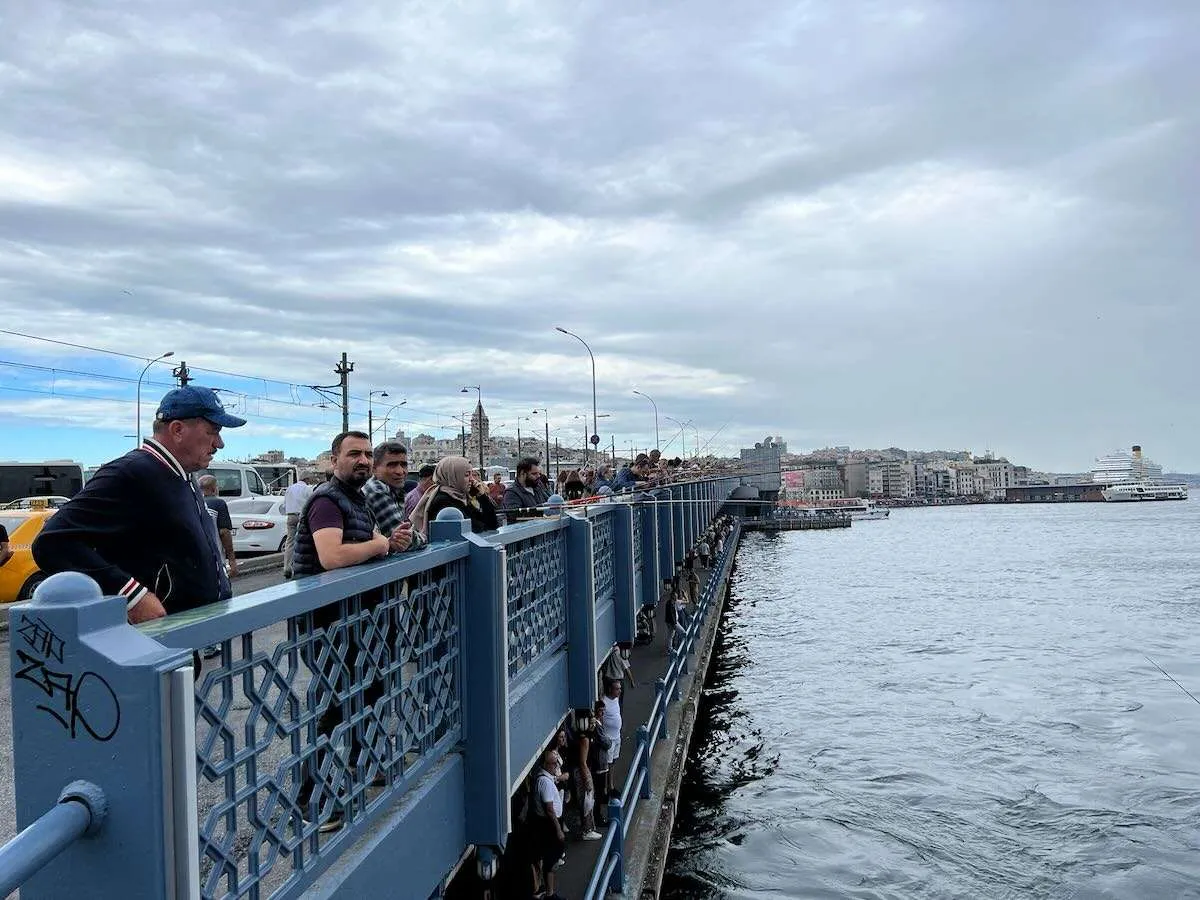
Kadıköy is across the Bosphorus on the Asian side. The ferry from Kabataş takes 20 minutes. Hotels are 30-40% cheaper than Sultanahmet. The food is way better in my humble opinion: street markets, kebab shops, meze spots without touts. This neighborhood feels like actual Istanbul, not a museum district.
I didn't stay here, but I took the ferry over for dinner. The Çiya Sofrası restaurant had a 20-minute wait at 8 p.m. on a Tuesday. Everyone was Turkish. The meze platter cost €10 and was better than anything I ate in Sultanahmet.
The Kadıköy Asian side works if you're staying longer than three days and want to see local life. You'll ferry to the European side for the main sites, but you'll eat and sleep cheaper.
Beşiktaş is on the European side along the Bosphorus. You get Beşiktaş Bosphorus waterfront views, a seafood market, and football culture (the Beşiktaş J.K. stadium is here). It's less touristy than Sultanahmet but more accessible than Kadıköy. The M2 metro connects you to Taksim Square in 10 minutes.
Beşiktaş has luxury hotels and budget hostels. The neighborhood feels more lived-in: locals buying fish, students heading to university, ferry commuters. You'll pay mid-range prices but get better food and fewer touts.
Beşiktaş works if you want Bosphorus views without the Sultanahmet tourist density. You're not walking to Hagia Sophia, but the metro and ferries make transit easy.
Istanbul rewards a transit card and a little planning. Here is how to move between the European and Asian sides without overpaying.
Rechargeable card that works on trams, metro, ferries and buses. Buy it at the airport or any metro station and load 200 TRY (around €6) to start. It saves roughly 50% versus single tickets.
Runs from Kabataş on the Bosphorus through Karaköy and Sultanahmet out to Zeytinburnu. This is the key line for tourists. Crowded 8-10 a.m. and 5-7 p.m.
Connects Taksim Square to Beşiktaş and north to the Levent business district. Useful if you are staying in Cihangir or Karaköy and heading to Taksim nightlife.
Kabataş to Kadıköy takes 20 minutes; Eminönü to Üsküdar takes 15. Skip the tourist Bosphorus cruises from Eminönü unless you want the full tour: the regular commuter ferries are cheaper and faster.
Undersea tunnel connecting the European and Asian sides. Useful if you are staying in Kadıköy and want to avoid ferry schedules. Runs every 10 minutes.
Istanbul Airport (IST) is 50 km from Sultanahmet. The Havaist bus to Taksim takes 90 minutes and costs 150 TRY (around €4.50). A private transfer via GetTransfer costs €30-40 and takes 60 minutes, worth it if you land late or have luggage.
Not recommended for central Istanbul (traffic, parking). If you are heading to the Aegean coast or Cappadocia, compare car rental prices here.
Yes, Istanbul is generally safe for tourists. Petty crime like pickpocketing can occur in crowded areas (the Grand Bazaar, Taksim Square), so keep an eye on your belongings. One local rule: do not film where there are groups of men in huddles (sometimes running illegal betting) or you will be confronted. Areas like Sultanahmet have persistent touts for restaurants or carpets, but a firm "no, thank you" is usually enough. Use official taxis or ride-sharing apps to avoid overcharging. I felt completely safe walking around, even at night.