
New Zealand by Train: Coastal Pacific Train from Christchurch to Picton
The South Island's coast-and-mountains run from Christchurch to Picton. Here's what it's like on board, and where it fits in a New Zealand trip.
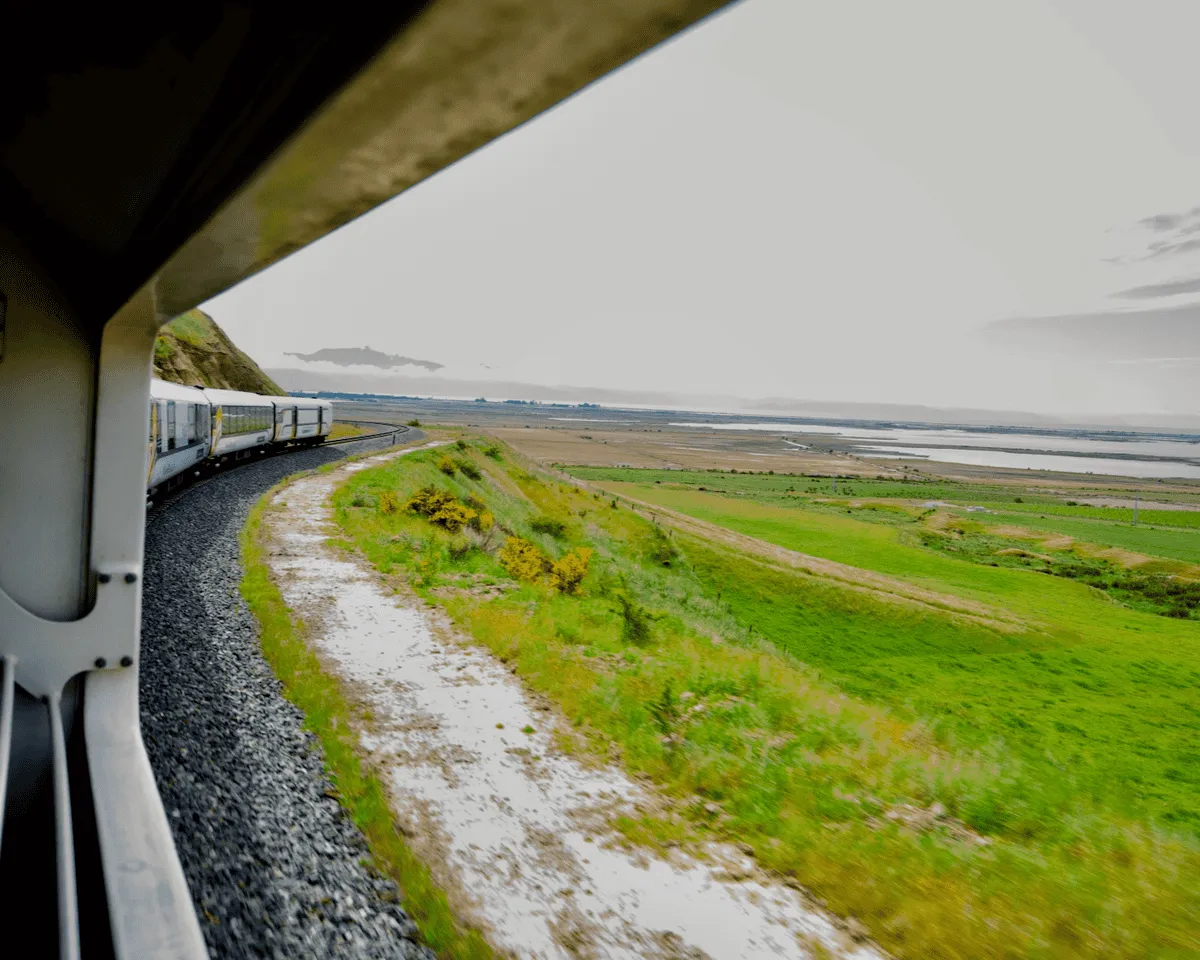
The Coastal Pacific is one of New Zealand's most scenic train journeys, alongside the Northern Explorer and Tranzalpine routes, as it showcases gorgeous views of the Pacific coastline and the Kaikoura Ranges, if the weather is good to you.
The journey rolls through 350 kilometres of prime New Zealand territory between Picton and Christchurch (or vice versa), and I felt it gave me a good introduction to the main features on the East coast of the South Island.
Onboard, even standard class offers wide, panoramic windows (full disclosure: they're exactly the same in carriages of all classes), so you can take in every moment of the changing landscape. Plus there's a comfortable and pretty well-stocked dining car for a bite to eat.
I am a huge fan of long train journeys and this route is no exception. So in this post, I'll share some insights into the Coastal Pacific train journey as well as how I enjoyed the trip on board.
Overview of the Coastal Pacific Train Journey
The Coastal Pacific is part of the Great Journeys of New Zealand, alongside the Northern Explorer and TranzAlpine trains. It runs between Christchurch and Picton (or vice versa), passing through vineyards, long stretches of coastline (particularly the Kaikoura coast), and charming Kiwi towns, meaning there's quite a lot of the South Island that you get to see from the comfort of your carriage.
Expect this journey to take about 5 hours and 30 minutes, with departures four times a week until 1 January 2025 and then once daily in each direction from then on. Tickets can be booked online in advance, with fares starting at around NZD $219, depending on class and availability.
While it's a shorter journey compared to the Northern Explorer, it's still a spectacular route, especially as the train winds along the Pacific Ocean, providing uninterrupted views of the coastline and passing through areas like Kaikoura, famous for its marine wildlife.
On my trip, it rained for roughly the second half of the trip, so the views weren't quite as scenic. I'm told that snow and sunshine are the best two ways to see the route!
Historical and Cultural Significance of the Route
The Coastal Pacific route has its own unique history, connecting the east coast of the South Island since the railway's completion in the early 20th century.
Initially built to link the communities along the coast, the route is not used much by locals any more but is a specialist tourist route, and a real alternative to driving.
Kaikoura, one of the main stops along the route, is not only beautiful but it has a cultural heritage. Its name means 'eat crayfish' in the Māori language, and the area has been home to rich marine ecosystems for centuries.
When you travel this route, you can imagine the close relationship between its people, the land and the sea.
Check in
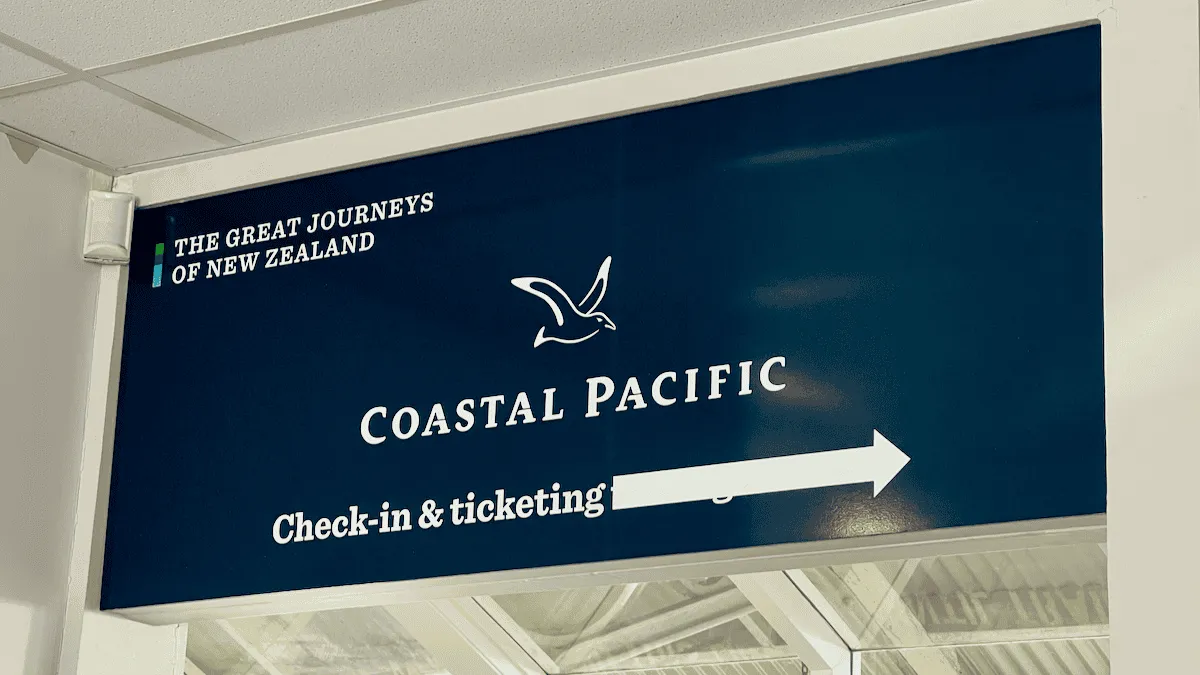
What to Expect Onboard the Coastal Pacific
Comfort in Standard Class
The Coastal Pacific's standard class is a pretty comfortable and pleasant experience for such a scenic journey. The seats are comparable to older intercity trains you might find in Europe - functional but the carriages are designed for viewing, thanks to the wide panoramic windows.
I reserved a window seat in advance and was glad I did, as this route is all about the views. The seats don't recline much, but with views like this, who really wants to nap?
Be warned: Wi-Fi is NOT available onboard, and my data connection came and went depending on our proximity to towns. If staying connected is important, plan to be offline, especially between Kaikoura and Picton.
Facilities and Services on the Train
Passengers in Scenic Plus class will have meals and drinks as part of their fare, but for the rest of us, the Coastal Pacific has an onboard café with hot and cold food, drinks, and snacks.
The prices are pretty standard for New Zealand and the food was quite nice.
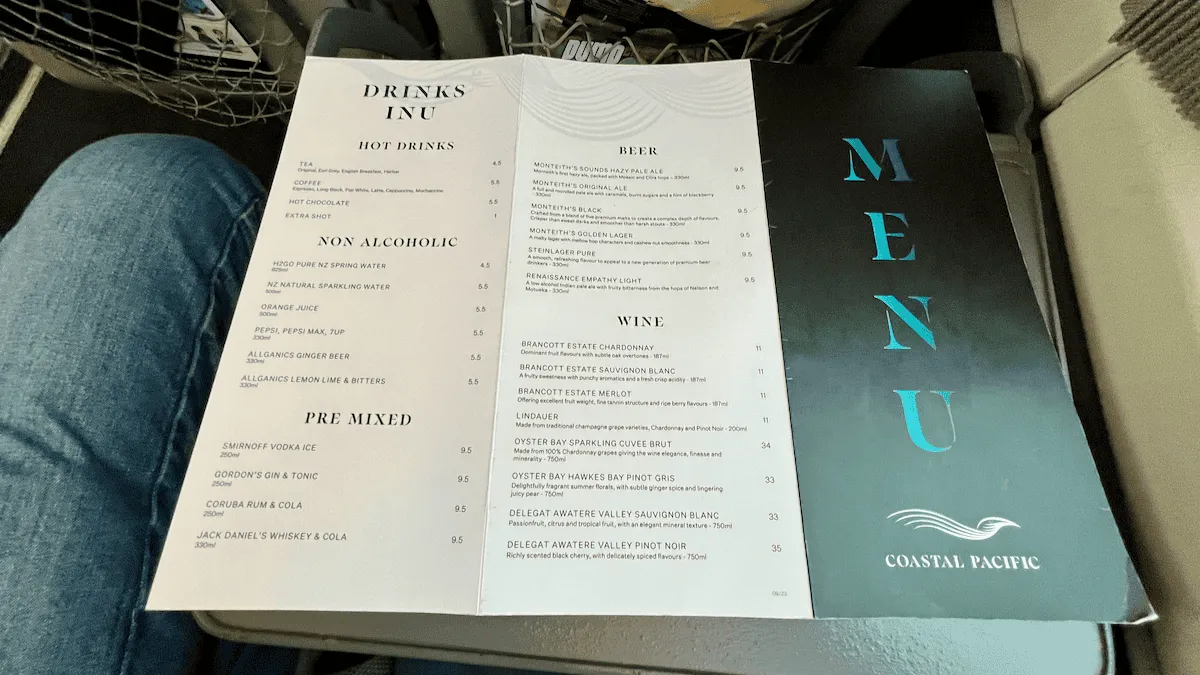
Top Tip: As with the Northern Explorer, bring some cash as the onboard credit card machine can occasionally struggle to connect, particularly in the more remote areas. You may not be served without having paid first.
The Open Air Viewing Carriage
My favourite feature onboard the Coastal Pacific was, once again, the open-air viewing carriage. Located towards the back of the train, this carriage lets you step outside (well, almost, under cover) to take in the salty sea air and snap some fantastic photos of the coastline and mountains.
On my journey, we had stretches of sunshine at the start followed by rain and coastal mist. Once it started raining, it got pretty cold on the open air carriage, so you will need a jacket, even in summer.
Luggage
The luggage situation on the Coastal Pacific is straightforward. Passengers can bring one large suitcase (up to 23kg) and one cabin-sized bag, which must be checked into the luggage car before boarding. You're also allowed a small personal item onboard, handy for keeping essentials like a camera, snacks, or a good book within easy reach.
Remember that once your main luggage is stowed, you won't have access to it until you reach your destination, so plan accordingly.
Accessibility
The Coastal Pacific train has accessible facilities for wheelchair users in its standard class carriages, and there are spaces in the café area for those needing extra assistance. I spoke to one wheelchair user who preferred to stay in the dining car as there was so much more space.
However, as with the Northern Explorer, the Scenic Plus dining experience is not wheelchair accessible, so do take this into consideration when booking.
Scenic Highlights from the Train
Throughout the Coastal Pacific journey, the scenery is nothing short of striking. Again with that caveat about the weather, you'll roll through vineyards near Blenheim, hug the Pacific coastline and have sweeping views of farmland and the foothills of the Kaikoura Ranges.
Marlborough Vineyards and the Picton Approach

As the train departs Picton, expect rolling vineyards coming into view. This is Marlborough country, known for its world-famous Sauvignon Blanc. Even if you're not stopping here, it's worth admiring the neat rows of vines carefully planted.
Kaikoura and Marine Wildlife
The approach to Kaikoura is possibly the most famous scenic part of this route. Kaikoura is famous for its whale watching and marine life. If you stop off here en route (you can split your journey by prior agreement with the rail company), you can certainly enjoy a boat trip or simply spot wildlife from the shore!
Practical Tips (for International Visitors)
If you're coming from overseas, I recommend spending at least a couple of days in Christchurch before starting your train journey. The city is small but charming, and having some time to adjust means you can properly enjoy the Coastal Pacific without being overtired.
Booking Tickets and Reserving Seats
Tickets for the Coastal Pacific can sell out, especially during peak holiday periods, so book ahead if you can. You can reserve your seats online, and I strongly recommend opting for a window seat to make the most of the views.
Getting to the Train Station from Christchurch Airport
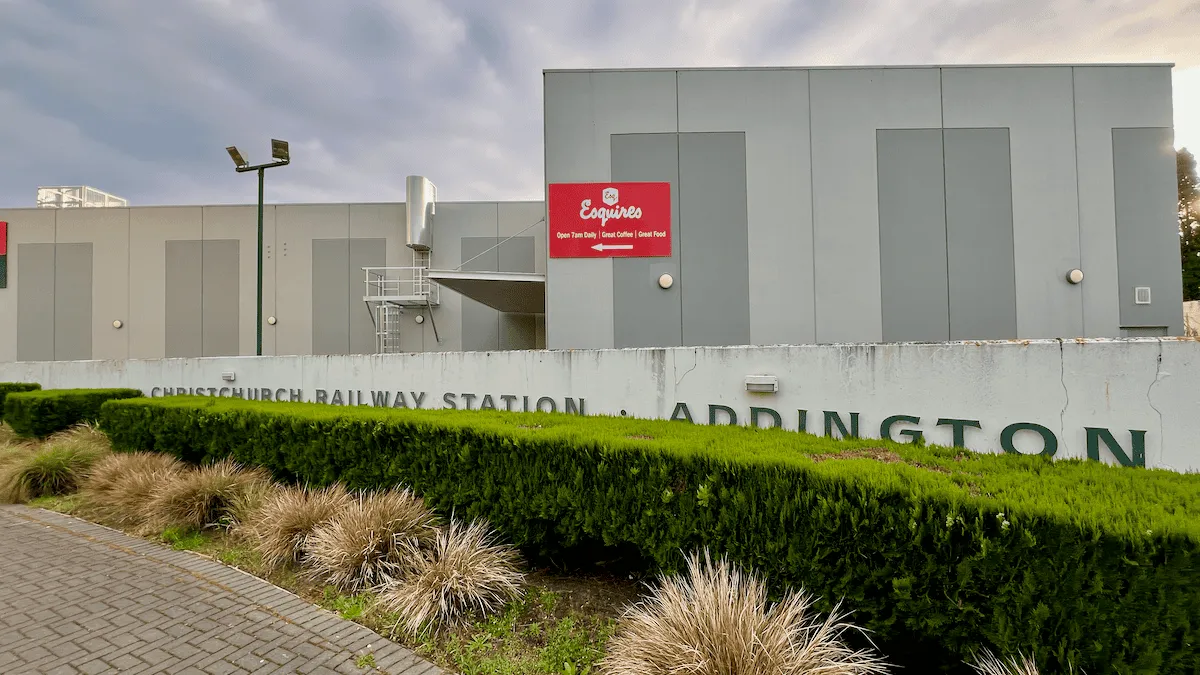
If you're arriving by air, it's easiest to stay overnight in Christchurch before catching the train the following day. There are plenty of hotels near Christchurch Airport, and a taxi or rideshare will get you to Christchurch Railway Station in around 15-20 minutes.
What to Pack for the Coastal Pacific
For this 5.5-hour journey, pack light but smart. Remember you'll only be able to take a small personal bag into the train carriage. A good camera or smartphone is a must, as the scenery is just stunning. Bring a power bank to keep your devices charged, and dress in layers - the open-air carriage can be quite cold.
Frequently Asked Questions
The full journey takes about 5 hours and 30 minutes, with daily departures in each direction during the operating season.
Yes, there's an onboard café offering hot and cold food, drinks, and snacks. I recommend bringing a few extra snacks, just in case.
Passengers can bring one large checked bag (up to 23kg) and one cabin-sized bag, plus a small personal item onboard.
Only service animals are allowed on board. Bicycles can be transported, but you need to book a spot in advance, and there's an extra fee.
Conclusion
The Coastal Pacific is the perfect way to see the South Island's stunning coastlines, vineyards, and get a sense of its marine life in a one day trip that's not too taxing.
It will suit train enthusiasts or someone looking for a low-stress way to explore this part of New Zealand.
It's worth adding the Coastal Pacific as an option for your New Zealand itinerary!