
Why Are Flights Getting Longer? The Shift Towards Ultra-Long-Haul Travel
Why airlines keep pushing past 15 hours: the aircraft that made ultra-long-haul possible, the routes flying now, and the cost to passengers.
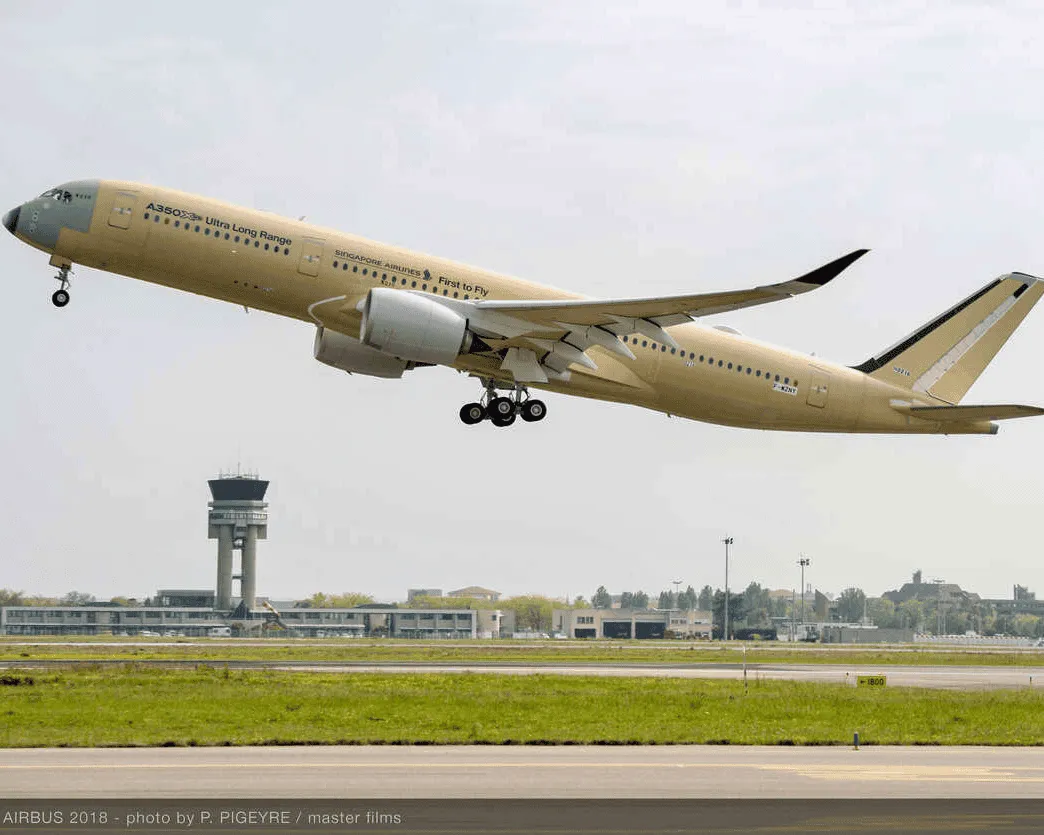
In recent years, perhaps the riskiest gambit in the aviation industry is its pitch for ultra-long-haul (ULH) flights of more than 15 hours, covering distances that push our human endurance and aviation technology.
ULH flights are not just about engineering breakthroughs; they've been produced by shifting passenger preferences and airline strategies as well as advancements in aircraft design.
When I reviewed my first ultra-long-haul flight from London to Perth in 2017, I had no sense that this was the tip of the technological iceberg.
So as we stare into big developments in 2025 and beyond, let's pause for a moment to reflect on why exactly flights are getting longer, and what that means for the future of travel?
The Demand for Nonstop Connections
The allure of ultra-long-haul flights is simply convenience. Long direct flights are the best alternative to the hub and spoke model, where layovers add at least hours and possibly even days to a journey (like these Australia/NZ routes I keep writing about!).
These longer routes appeal to two main groups: business passengers who just want to get there, as well as those willing to pay a premium to avoid time wasted in transit, layovers, delays and missed connections.
While the efficiency of longer direct routes is certainly appealing, Qantas research showed passengers have high expectations of how airlines prioritise health while developing ULH routes.
The starting point for developing new point-to-point services is customer demand plus the ability to pay (or really, make profit). How to design and deliver ULH aircraft and experiences that meets the industry, and passengers' needs, is the ongoing challenge.
Technological Advances Enabling Longer Flights
I had my first experience of a ULH flight in 2017 with Qantas from London to Perth direct, on board a Boeing 787 Dreamliner designed to manage a trip of over 17 hours.
The development of fuel-efficient, long-range aircraft continues. The market has seen the Boeing 787 Dreamliner challenged by the Airbus A350-900 ULR, which makes marathon flights of over 9,000 miles possible.
The manufacturers have focused on range and fuel efficiency, alongside passenger comfort. Qantas makes a great deal of how their Dreamliners have enhanced cabin pressurisation, lower noise levels and higher in-cabin humidity levels to minimise fatigue. Even longer flights mean more attention needs to be paid to efficiency and comfort.
I still arrived in Perth with jet lag but it wasn't as exhausting as some much shorter flights like London to LAX in standard aircraft configurations.
Why Airlines Are Banking on Longer Flights
For airlines, ultra-long-haul flights are potentially highly profitable and give some serious bragging rights in the industry.
Qantas has made serious PR mileage already with 'Project Sunrise', a route from London to Sydney which is not yet commercially available.
Nonstop ULH routes demand a premium on ticket prices (already seen on Singapore Airline's Singapore to New York routes). With efficient new aircraft in the works, the economics of these routes gets ever more attractive, combining fuel savings, higher ticket prices and the costs associated with connecting flights.
While Singapore Airlines and Qantas have long differentiated themselves with the ULH routes they already own, other airlines have been launching ULH routes for both profit and good PR:
- Air India recently joined the ultra-long-haul scene, deploying the Airbus A350-900 on its New Delhi to New York JFK route. They have plans to expand the service to Newark in early 2025, and to other US cities.
- Emirates has its iconic Dubai to Auckland service, a journey spanning 8,824 miles and around 17 hours.
- Air New Zealand is now flying nonstop from Auckland to New York JFK, a route stretching over 8,800 miles. At around 17 hours and 50 minutes, it's one of the longest flights globally.
- United Airlines is flying UA101 from Houston to Sydney, which takes around 17 hours and 35 minutes to cover 8,596 miles.
ULH routes signal innovation, prestige, and a commitment to the passenger in a way few other marketing tools can achieve.
The Drawbacks: Cost, Environmental Impact, and Health Concerns
The technology for ULH flights might be improving, but there's some big trade-offs. First, ticket prices will restrict these routes to people with deeper pockets, making longer transit times and connections a problem for budget travellers.
The environmental impact of ULH flights is also a growing concern. While the updated Boeing and Airbus designs are more fuel-efficient than previous models, these aircraft still consume significant fuel over long distances, producing substantial carbon emissions. This footprint raises questions about sustainability, particularly as passengers move towards eco-friendly methods of travel.
There are also reasonable health concerns for passengers sitting in cramped spaces for over 15 hours. Issues like deep vein thrombosis (DVT), intense jet lag and physical fatigue are some of the main challenges.
Airlines are making mileage out of wellness on ULH routes (eg, the yoga room at the Qantas Lounge in Perth Airport). However, some passengers are asking for stretching spaces while in the air, even in economy class, a battle that may deepen between paying customers and the fit out of ULH aircraft interiors.
What This Means for Travellers: Convenience vs. Fatigue
For an average flyer like me, the rise of ultra-long-haul flights introduces a bit of a dilemma.
The convenience of a direct flight is very appealing, but spending 18 hours or more in the air might not be ideal for the health of every flyer.
My assumption is that most of us will favour the convenience of travelling nonstop over the physical toll. In fact, as more of us trial ULR routes, I think the demand will grow, particularly as big-ticket routes like Project Sunrise from London to Sydney come on stream.
Conclusion: Are Ultra-Long-Haul Flights Here to Stay?
The future of ultra-long-haul flights is both promising and complex.
They always say to follow the money, and airlines are certainly betting on this shift, investing in aircraft and route networks that prioritise direct, nonstop service between some of the world's biggest (and most desirable) cities.
For most of us, ULH flights represent a new chapter in a world already inextricably interconnected by air, but we have to recognise the convenience comes with challenges: increased ticket costs, environmental downsides and a physical toll.
Ultimately, while ultra-long-haul flights meet a demand for direct travel, whether they become the standard or remain a niche offering will depend on how travellers balance convenience with comfort.
As airlines push the boundaries of aviation, the question is: will these marathon journeys redefine how we see travel, or reveal limits that most flyers are unwilling to cross?