
Tarjeta bip!
The contactless card works on both metro and buses. It costs CLP1,550 (about US$1.70) and tops up for rides. Transfer between metro and bus within two hours and you may pay a reduced fare.
Where you stay shapes Santiago more than most cities. The neighbourhoods compared, with the hotels I'd book in each.
Some links on this page are affiliate links. If you book through them I earn a small commission at no extra cost to you. I only recommend places I have stayed or would stay myself.
Santiago caught me off guard. I'd expected a sprawling South American capital you'd endure rather than enjoy, but the Chilean capital has distinct neighbourhoods with completely different personalities. The contrast between the busy restaurant area around Barrio Lastarria and the leafy, upscale streets of Providencia is striking. Where you stay makes all the difference between feeling like a tourist passing through and actually experiencing how this city works.
This guide runs through the different areas you can base yourself in, with hotel recommendations for each barrio (district) and what to expect from each. This is my full take on where to stay in Santiago.
| Neighbourhood | Best For | Vibe | Price |
|---|---|---|---|
| Providencia | First-time visitors, families | Leafy, residential, safe | $$-$$$ |
| Centro & Lastarria | History lovers, foodies | Central, restaurant heart | $$-$$$ |
| Barrio Italia | Foodies, design lovers | Trendy, creative | $$-$$$ |
| Las Condes | Business, luxury seekers | Modern, glassy | $$$-$$$$ |
| Vitacura | Luxury, fine dining | Exclusive, no metro | $$$$ |
| Bellavista | Nightlife, younger travellers | Arty, lively at night | $-$$ |
| Ñuñoa | Budget, longer stays | Local, young | $-$$ |
The historic heart of Santiago is full of Chilean energy during the day and transforms into a restaurant district by evening. This is where I discovered that Santiago takes its food seriously (Bocanáriz alone could justify a visit to Chile).
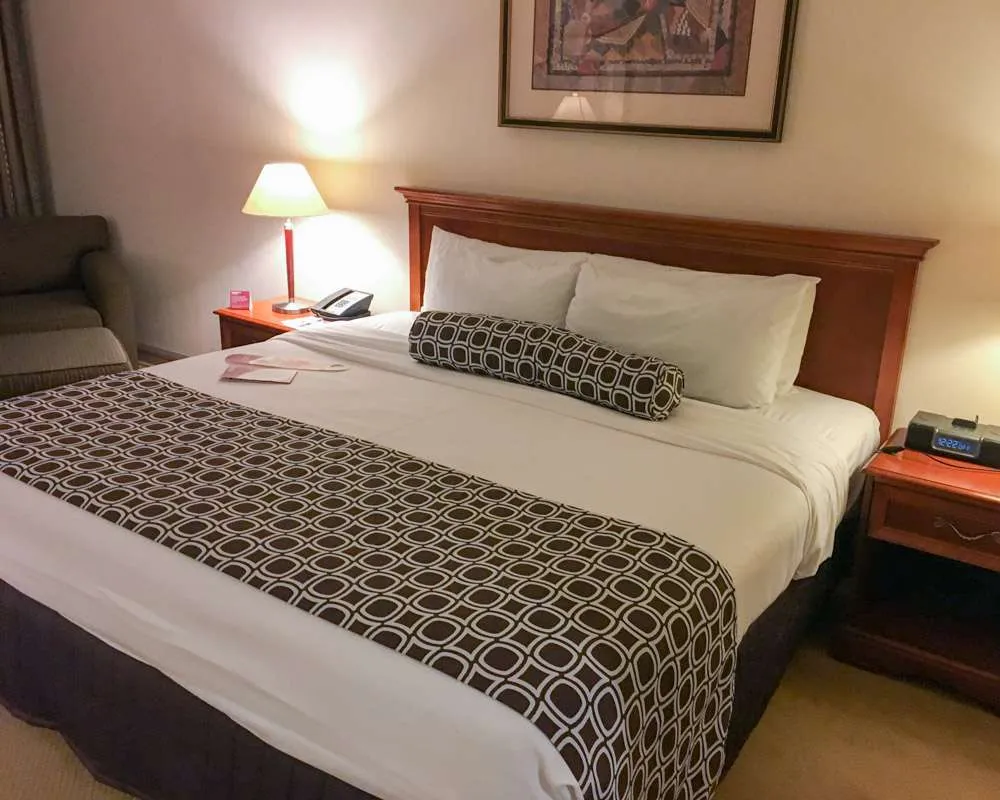
When I stayed at the Hotel Plaza San Francisco, the location was ideal for exploring on foot. You're walking distance from Plaza de Armas, La Moneda Palace and the cathedral, but more importantly you're in the middle of Santiago's most concentrated restaurant strip at Barrio Lastarria. I could finish a meal at one place and pass three other tempting spots within two minutes.
Barrio Lastarria, technically part of Centro, deserves special mention. This compact area around Calle Lastarria has become Santiago's cultural and bohemian heart, with tree-lined pedestrian streets, craft markets, and some of the city's most elegant cafes and wine bars. The Cerro Santa Lucía park is right here, offering city views from its hilltop gardens. If you're staying in Centro, base yourself in or near Lastarria for the best combination of sightseeing access and neighbourhood atmosphere. The Bellas Artes, Universidad Católica and Santa Lucía metro stations all serve the area, making it one of Santiago's best-connected.
Las Condes has more of a modern Santiago vibe: glass towers, high-end shopping and international restaurants. If you're on business, want a safe upscale base, or like modern amenities, Las Condes delivers. The El Golf and Tobalaba metro stations connect you to the rest of the city.
The Costanera Center dominates the skyline here, and you're surrounded by upscale shopping and dining that wouldn't look out of place in any global city. It's efficient and comfortable, though distinctly less Chilean in character.
Vitacura is Santiago's most exclusive address. East of Las Condes and stretching toward the Andes foothills, this is where you'll find the city's most expensive real estate, designer boutiques along Alonso de Córdova, and high-end restaurants. The neighbourhood feels different from the rest of Santiago: quieter, greener, noticeably wealthier. If you're serious about food, the Borde Río dining complex offers nine restaurants with Andes views.
The significant drawback: Vitacura has no metro station. You'll need taxis or Uber to get around, which makes it less convenient than Providencia or Las Condes for sightseeing. The nearest metro stops are in neighbouring Las Condes, about a 15-20 minute walk or short taxi away. It suits travellers who prioritise luxury and fine dining over sightseeing convenience, or anyone arranging private transport for wine tours and Andes excursions.
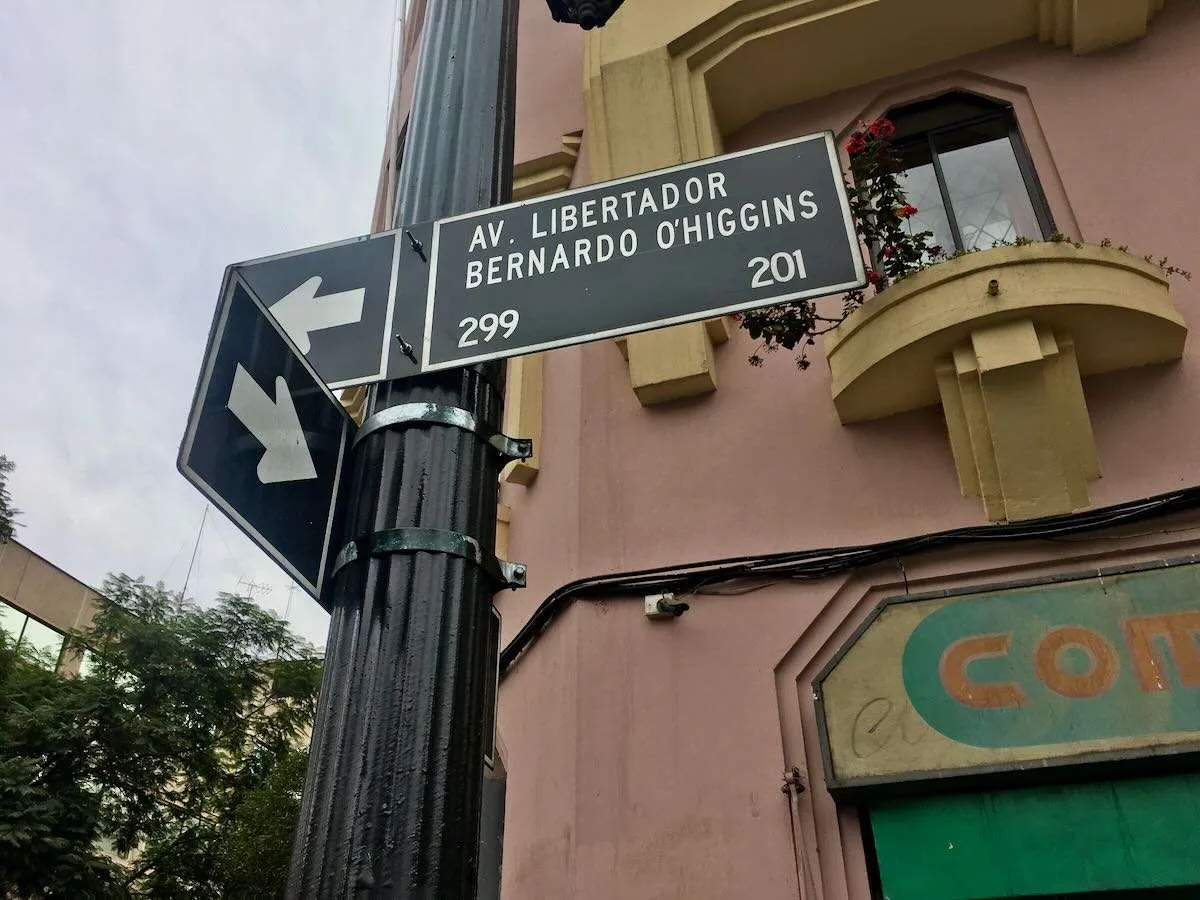
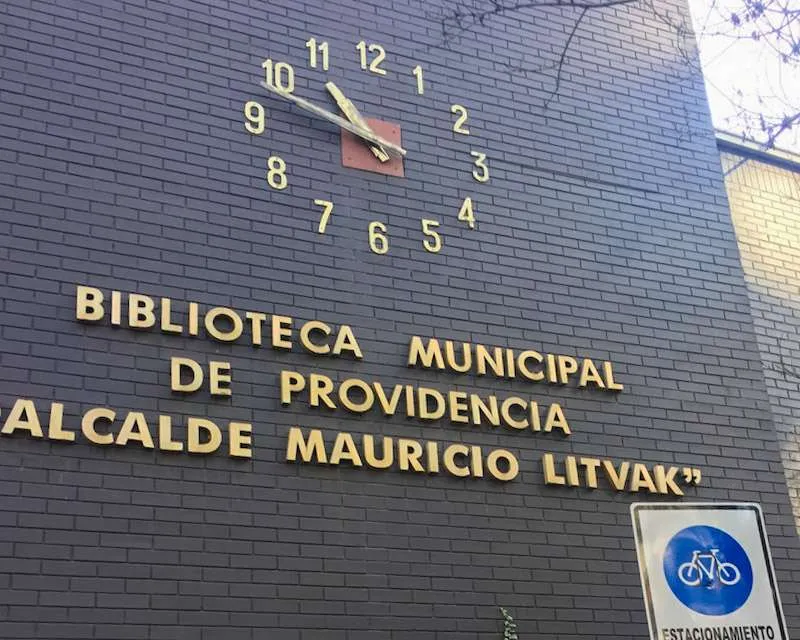
Providencia surprised me completely. I'd expected another business district, but this leafy neighbourhood feels like where Santiaguinos actually live: tree-lined streets, neighbourhood cafes, and a slower pace. The metro connections are excellent, but you'll find yourself walking more here because the streets invite it. Evening strolls feel safe and pleasant, with locals out walking dogs and meeting friends at corner cafes.
The neighbourhood has five metro stations (Pedro de Valdivia, Los Leones, Manuel Montt, Salvador and Tobalaba), so you're never more than a few minutes from public transport. That makes it especially convenient for first-time visitors. For the best of it, stay near Pedro de Valdivia, Los Leones or Manuel Montt, where the restaurants, cafes and shops cluster.
Barrio Italia was one of Santiago's industrial areas until about twenty years ago: car mechanics, furniture workshops and warehouses. The transformation has been astonishing. Today those old workshops house wine bars, design boutiques, and some of Santiago's most interesting restaurants.
This was one of my favourite places to wander, because it feels genuinely local rather than tourist-focused despite the trendy evolution. The streets around Avenida Italia are lined with independent cafes, vintage shops and restored buildings that keep their industrial character. The food scene is exceptional (and I'm fussier than the average bear). Metro access is good via Santa Isabel and Bustamante on Line 5, though you're about 20 minutes from the main historic sights, which makes Barrio Italia best for longer stays (3 days or more).
Bellavista has every bit of Santiago's creative sensibility. Street art covers the walls, bars stay open late, and Pablo Neruda's former house (now a museum) anchors the neighbourhood's cultural credentials. This area attracts younger travellers and anyone drawn to nightlife and the arts. The atmosphere shifts dramatically from day to evening, from quiet residential streets to Santiago's liveliest night-time destination.
The neighbourhood sits at the base of Cerro San Cristóbal, Santiago's most prominent hill and park. You can take the funicular or walk up to the giant Virgin Mary statue for panoramic views (I loved it, though I was a bit bushwhacked by the time I reached the top). The Bellavista metro station provides easy access to the rest of the city.
Ñuñoa is Santiago's emerging young-professional area: less polished than Las Condes, more affordable than Providencia, and distinctly local in character. This is the neighbourhood that shows you how Santiago's creative class actually lives. The accommodation leans budget and mid-range, making it good for travellers who prioritise an authentic experience over luxury amenities.
Santiago's metro and bus network connects all these neighbourhoods efficiently (I found the metro excellent). Both use the contactless Tarjeta bip! card.
The contactless card works on both metro and buses. It costs CLP1,550 (about US$1.70) and tops up for rides. Transfer between metro and bus within two hours and you may pay a reduced fare.
Fares vary by time of day: low hours CLP710 (~US$0.77), off-peak CLP790 (~US$0.86), peak CLP870 (~US$0.95). There is no unlimited day pass; what you pay depends on how many trips you take.
Metered, regulated taxis plus Uber, DiDi and Cabify operate citywide. Short trips between central neighbourhoods usually cost CLP2,500-7,000 (US$2.80-7.80).
Just arrived? My guide to getting from SCL airport covers the fastest ways into the city centre.
Santiago is generally safe for visitors, though like any major South American capital you need to stay aware of your surroundings and take standard urban precautions.
The safest neighbourhoods for tourists are Providencia, Las Condes and Vitacura: affluent areas with low crime rates and strong evening activity. Lastarria is also very safe, particularly during the day and evening when the restaurants and cultural venues are busy. I've never felt uncomfortable walking around any of these areas.
Central Santiago (Centro) outside Lastarria can feel deserted after business hours, so use Uber or taxis if you're out late. Bellavista is generally safe but attracts crowds of drinking tourists, which can lead to opportunistic theft, so keep an eye on your belongings. The standard advice applies: don't flash expensive jewellery or phones, keep valuables secure, and use official taxis or ride-sharing apps rather than hailing cabs on the street. The neighbourhoods recommended in this guide all suit solo travellers, families and first-time visitors.
For first-time visitors, I'd recommend 3-5 days in Santiago. You can cover the major highlights in 2-3 days, but 4-5 days lets you explore different neighbourhoods properly, enjoy the restaurant scene without rushing, and fit in at least one day trip to Valparaíso or the wine valleys. If you're using Santiago as a base for the wider region, a week makes sense.
For the easiest access to the major sights and the best restaurants, base yourself in Centro/Lastarria; you can walk to most attractions. Providencia suits travellers wanting a safer, more residential feel while staying well-connected, the sensible choice for families or longer stays. Business travellers will find Las Condes or Vitacura most convenient. For nightlife, Bellavista delivers energy and affordable rooms, and budget-conscious visitors should look at Ñuñoa. Foodies have an excellent choice between Barrio Italia (trendy, design-forward) and Centro/Lastarria (established favourites with more polish).
Santiago rewards you when you venture beyond the obvious tourist parts. Once you've settled in, don't miss the day trips from Santiago, from UNESCO coastal towns to Andes adventures.