
Where to Stay in Hong Kong in 2026: Best Neighborhoods + Hotel Recommendations
Where to stay in Hong Kong, from Kowloon's harbour views to Central's efficiency, with the hotels I'd book in each.
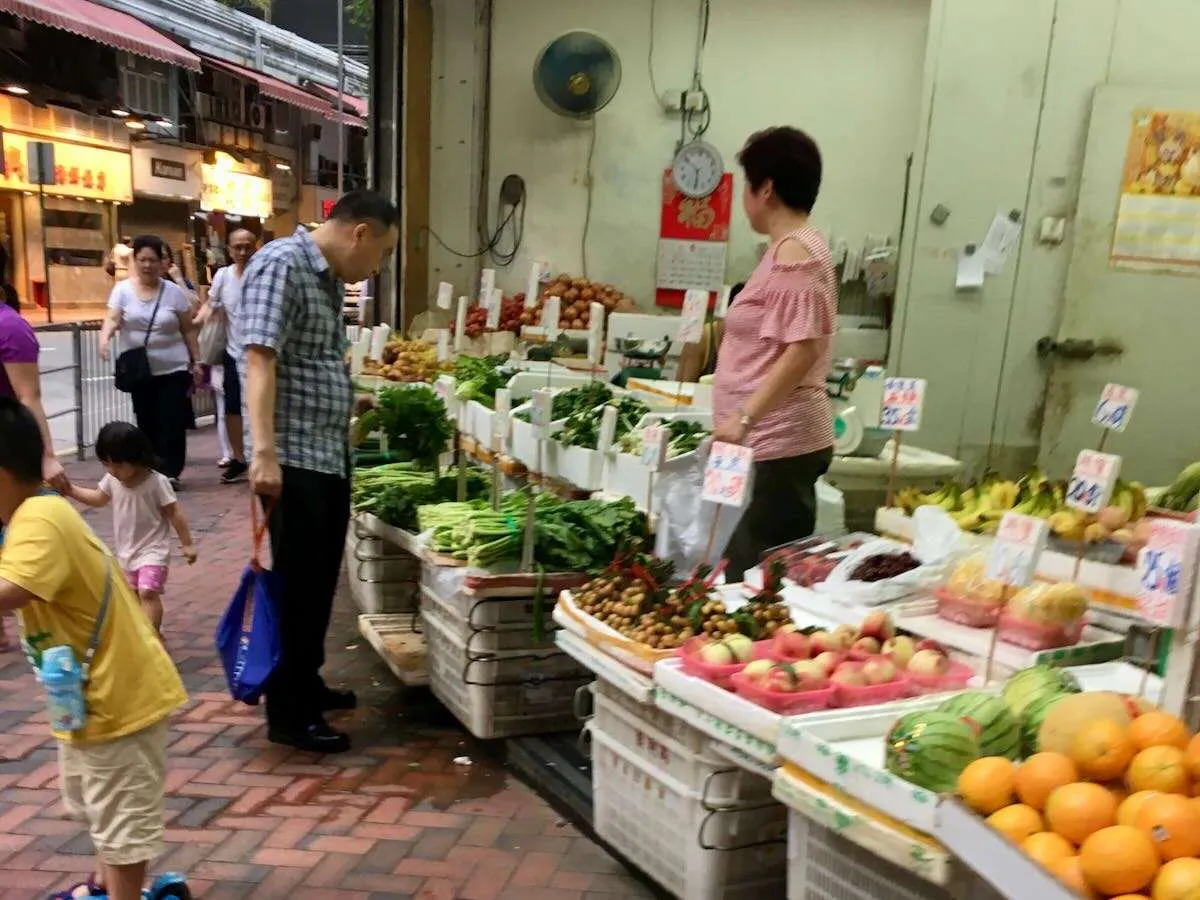
I first visited Hong Kong 20 years ago on a layover to Sydney. I stayed two nights in Central and immediately regretted not booking longer. I've returned three times since: once at a no-frills Ibis near the Finance District, once at the Peninsula for a milestone trip. Prices are climbing in 2026 thanks to mainland talent influx and tight inventory, but the city still delivers: fast ferries, fascinating neighborhoods, and a transport system that rewards foresight when planning your hotel choice.
This guide focuses on 2026-specific intel and includes new hotels that opened in 2025, rental dynamics via VRBO amid rising costs, and which neighborhoods to target if you're not a student looking for Mong Kok dorms. Book early for October-December visits. Avoid Chinese New Year (late January) unless you want peak pricing and harbor fireworks crowds.
Quick Overview: Where to Stay in Hong Kong
- Tsim Sha Tsui - Harbor views, Star Ferry access, new luxury openings
- Central and Sheung Wan - Finance district vibe, efficient MTR, budget chains
- Wan Chai - Culture mix, walkable waterfront, mid-range value
- Causeway Bay - Shopping hub, family-friendly, higher density
- Sai Kung - Slow ferries, seafood villages, escape crowds
PATRICK'S PICK FOR HONG KONG For first-time visitors wanting harbor logistics and walkable culture, Tsim Sha Tsui is my top recommendation. Kimpton Hong Kong TST opened early 2025 after fire delays, puts you 3 minutes from the Star Ferry pier, and delivers IHG-standard rooms without Peninsula pricing. You're positioned for both harbor crossings and the Tsuen Wan MTR line. Kimpton Hong Kong TST - Check Availability →
Quick Comparison: Hong Kong Neighborhoods
| Neighborhood | Best For | Price |
|---|---|---|
| Tsim Sha Tsui | Harbor views, ferry access, new luxury | £200-£250/night |
| Central/Sheung Wan | Finance district, budget chains, MTR efficiency | £70-£150/night |
| Wan Chai | Culture mix, waterfront walks, mid-range value | £120-£200/night |
| Causeway Bay | Shopping, families, higher room density | £100-£180/night |
| Sai Kung | Slow ferries, seafood, weekend escape | £80-£140/night |
Staying in Tsim Sha Tsui
Tsim Sha Tsui sits on the Kowloon waterfront opposite Hong Kong Island. I tested the Star Ferry crossing from here to Central: at just HK$3.50 and 10 minutes, it's unbeatable for harbor views. The neighborhood saw the launch of the new Kimpton in early 2025 and still holds mid-range options near the MTR. Avoid the Avenue of Stars tourist scrum; walk 5 minutes west to the ferry pier instead.
Book 60+ days out for October-December windows. The area skews tourist-friendly, not student-heavy like Mong Kok. You're 24 minutes from the airport via Airport Express to Kowloon Station, then 1 MTR stop south.
Best Hotels in Tsim Sha Tsui
- Kimpton Hong Kong TST - Opened early 2025, harbor-facing rooms, 3-minute walk to Star Ferry, IHG One Rewards eligible, rooftop bar with skyline angles. Check Availability →
- Hotel Icon - Waterfront position, floor-to-ceiling windows, traveler-rated top tier, £206/night average 2026, 8-minute walk to ferry. Check Availability →
Check all hotels and prices in Tsim Sha Tsui →
Staying in Central and Sheung Wan
Central is the finance core. I stayed at an Ibis here on a budget trip. Mind you, it was clean, functional, and a 6-minute walk to the MTR. Sheung Wan extends west along the harbor, quieter, with preserved shophouses near the future Hotel 1936 site (exhibition open on 2nd floor, free entry). The Tsuen Wan MTR line runs red through both zones, connecting you to Tsim Sha Tsui in 4 stops.
This area suits logistics-first travelers who prioritize transit over nightlife. Street-level dai pai dong stalls serve HK$50-100 set meals. Prices average £72/night across 3-star properties, but demand from talent visa holders pushed some chains to £90+ in peak 2026 windows.
Best Hotels in Central and Sheung Wan
- Ibis Hong Kong Central and Sheung Wan - No-frills efficiency, 6-minute MTR walk, £75/night 2026 average, tight rooms but clean. Check Availability →
- Mini Hotel Central - Compact design, rooftop terrace, £68/night, 10-minute walk to Star Ferry from Central Pier. Check Availability →
Check all hotels and prices in Central and Sheung Wan →
Staying in Wan Chai
Wan Chai blends old wet markets with waterfront promenades. I walked the Oil Street stretch during my last visit in 2024. The Hopewell Hotel soft-opened December 2024 with 1024 rooms, adding mid-range inventory. You're 15 minutes by MTR to Central, 20 to Tsim Sha Tsui via Island Line transfers. I'm strongly considering it for my 2026 stay.
This neighborhood offers better value than Tsim Sha Tsui if you don't mind skipping harbor views. Expect £120-200/night for 3-4 star properties in 2026. The Star Ferry runs from Wan Chai Pier to Tsim Sha Tsui every 10 minutes (HK$3.50). Avoid Symphony of Lights viewing crowds here: it can get a bit overcrowded.
Best Hotels in Wan Chai
- Hopewell Hotel - Opened Dec 2024, 1024 rooms, mid-range pricing, rooftop pool, 8-minute walk to Wan Chai MTR. Check Availability →
- The Fleming - Boutique design, Java Road wet market nearby, £140/night average, local vibe without student crowds. Check Availability →
Check all hotels and prices in Wan Chai →
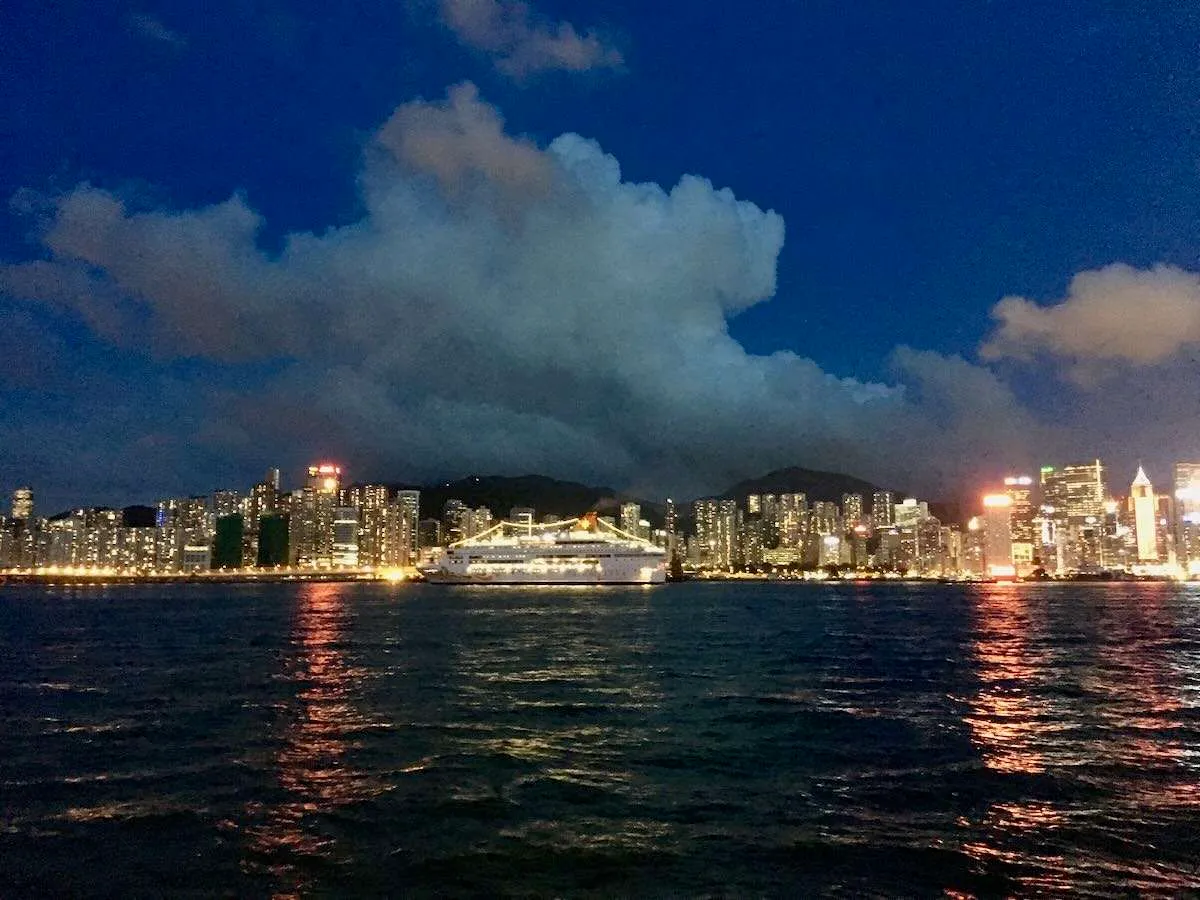 © Patrick Hughes - Hong Kong Harbor at night
Staying in Causeway Bay
Causeway Bay is shopping-heavy and family-oriented. I skipped it on my last trip, because it's just too dense, too many malls. If you're traveling with kids or need retail proximity, it works. MTR access is solid via the Island Line. Prices hover £100-180/night for chain hotels. The neighborhood lacks the waterfront calm of Wan Chai or the ferry convenience of Tsim Sha Tsui.
Expect tighter rooms and higher foot traffic. Victoria Park offers green space, but the area skews commercial. I'd only book here if Wan Chai and Central sold out during Chinese New Year or October peak windows.
Best Hotels in Causeway Bay
- Park Lane Hong Kong - Victoria Park views, family rooms available, £160/night, 5-minute MTR walk. Check Availability →
- Eco Tree Hotel - Budget-friendly, compact, £95/night, basic but clean, shopping mall adjacent. Check Availability →
Staying in Sai Kung
Sai Kung sits east on the New Territories coast. This is an area I didn't know at all before taking a slow ferry from Sai Kung Public Pier to a seafood village in 2024 (HK$20, 30 minutes, zero tourists). The area offers weekend escape value if you've already covered Central and Tsim Sha Tsui on a longer itinerary. Hotels average £80-140/night, lower than urban zones. You're 45 minutes by bus or taxi from the MTR.
This neighborhood suits hikers (Hiram's Highway trails to hidden beaches) and seafood fans. Don't base here if you're time-limited or want to be near the harbor.
Best Hotels in Sai Kung
- YHA Bradbury Jockey Club Youth Hostel - Budget hostel-style, £50/night, shared facilities, hiking trail access, local vibe. Check Availability →
Getting Around Hong Kong
- MTR - Tsuen Wan Line (red) connects Tsim Sha Tsui to Central in 4 stops. Island Line runs Wan Chai to Causeway Bay. Octopus card saves 5-10% vs. single tickets. Airport Express to Hong Kong Station takes 24 minutes (HK$115).
- Star Ferry - Tsim Sha Tsui to Central: HK$3.50, 10 minutes, every 5-10 minutes. Wan Chai to Tsim Sha Tsui: HK$3.50, 10 minutes. Unbeatable for harbor views.
- Taxis - Red taxis serve urban zones (HK$27 flag fall). Green taxis cover New Territories (Sai Kung). Uber operates but limited vs. taxi supply.
- Airport transfers - Airport Express is fastest. Private transfers via GetTransfer cost HK$350-500 for 3 passengers, worth it if you land late or have luggage.
Experiences You Should Pre-Book
- Victoria Peak Tram Skip-the-Line Ticket - Avoid 90-minute queues. Tram runs every 10 minutes, 8-minute ascent, HK$88 return. Views are standard but logistics matter.
- Hong Kong Dim Sum Tasting Tour - Guided walk through Sheung Wan dai pai dong stalls, 6 tastings, HK$450, 3 hours. Skips tourist traps like Temple Street.
- Lantau Island Big Buddha and Ngong Ping Cable Car - Half-day trip, cable car included, HK$520, avoids bus crowds. Worth it if you have 2+ days.
Is Hong Kong Safe?
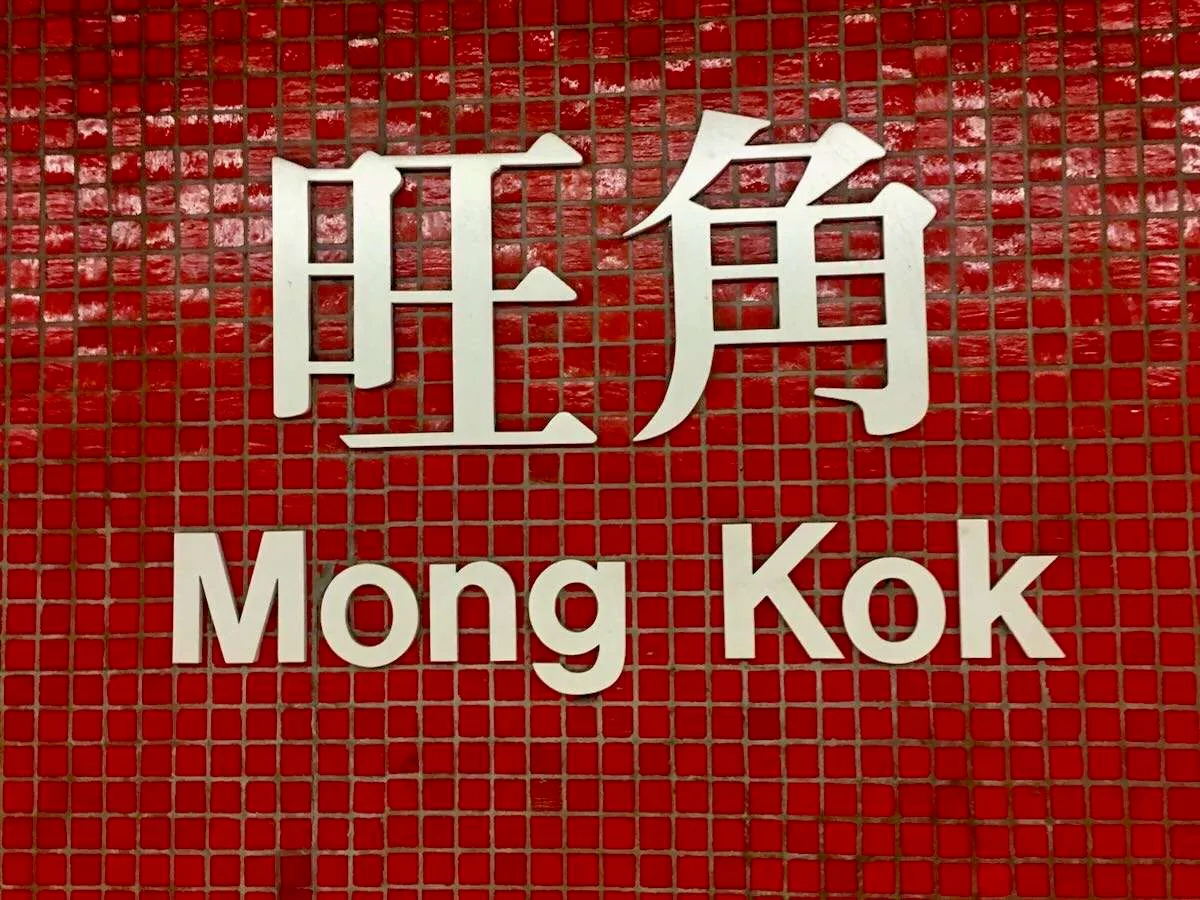 © Patrick Hughes - a sign reading Mong Kok
Hong Kong remains one of Asia's safest cities for tourists. I've walked Tsim Sha Tsui and Central past midnight without issue. Petty theft does happen at Temple Street Night Market, just skip it. Typhoon season runs July-September; check Observatory warnings if you book those months. Political protests calmed post-2020, but avoid large gatherings as a general rule.
Scams target tourists at Victoria Peak tram queues (overpriced photo packages). Water quality is safe. Emergency number: 999. English is widely spoken in tourist zones. ATMs are abundant; withdraw HKD to avoid poor hotel exchange rates.
Frequently Asked Questions
What is the best area to stay in Hong Kong for first-time visitors?
Tsim Sha Tsui. You're 3 minutes from the Star Ferry, 4 MTR stops to Central, and surrounded by mid-to-high-range Hong Kong hotels in 2026. Avoid Mong Kok unless you're a student on a tight budget looking for Hong Kong student housing options.
How much does Hong Kong accommodation in 2026 cost?
Budget stays in Hong Kong start at £48/night (Mingdu Hostel). Mid-range chains average £120-200 (Hopewell Hotel, Hotel Icon). Hong Kong luxury hotels run £240+ (Kimpton Hong Kong TST, The Peninsula). Prices climbed 5-10% in 2026 due to an influx of workers.
Do I need to book Hong Kong hotels in advance?
Yes, especially for October-December (cool, dry, fewer crowds) and Chinese New Year (late January 2026). Inventory tightened in 2026. Book 60+ days out for best rates and cancellation terms.
Is Hong Kong expensive compared to other Asian cities?
Yes. Monthly costs for a single traveler average HK$8,560 excluding accommodation. A 3-star hotel averages £72/night vs. £40 in Bangkok. But logistics efficiency and ferry access justify the premium if you value time.
What neighborhoods should I avoid in Hong Kong?
Mong Kok and Sha Tin skew student-heavy with crowded dorms and fewer tourist services. Temple Street Night Market is a pickpocket zone. New Territories areas like Tuen Mun require long MTR commutes, skip unless you're visiting Sai Kung specifically.