
Stopover to Australia: The Six Hubs I've Used Over Five Trips
Six stopover hubs I've used over five trips between Europe and Australia, plus a 2024 cruise - and which I'd pick today, with 2026 caveats.
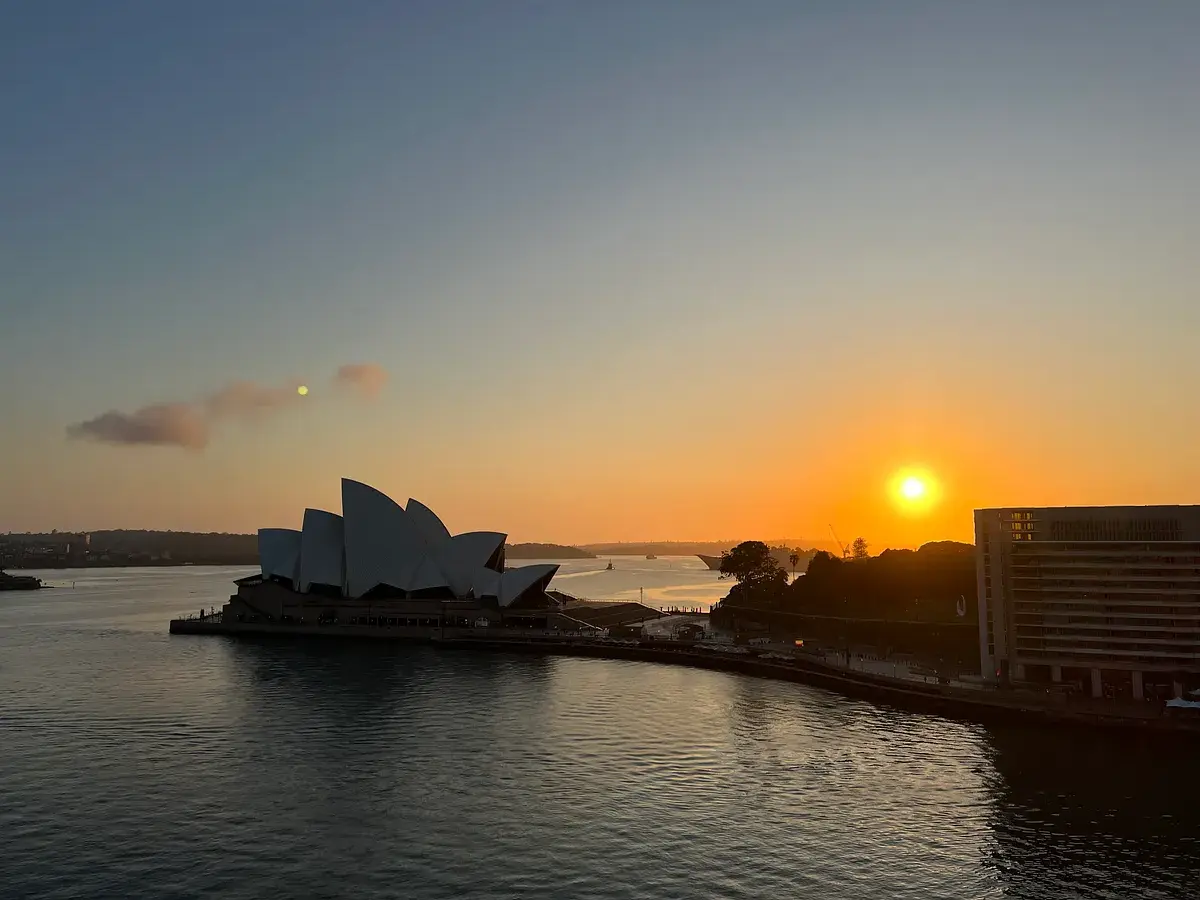
I've flown between Europe and Australia or New Zealand five times. On a sixth trip, in 2024, I did things differently and arrived in style on a Princess cruise ship from Vancouver - more on that in a moment. Across those journeys I've used six stopover hubs: Hong Kong, Singapore, Kuala Lumpur, Bangkok, Dubai and Abu Dhabi. The case for each one has shifted as airlines, alliances and geopolitics have moved. This is the retrospective: which hubs I've actually used, what worked, and which I'd choose today.
If you're new to the route, the parent guide lives at best way to fly to Australia from the UK or Ireland. This post is the deeper question: where to break the journey, and why. For a shorter run-down, see my top five stopovers en route to Australia or New Zealand.
Hong Kong: My Most-Used Stopover
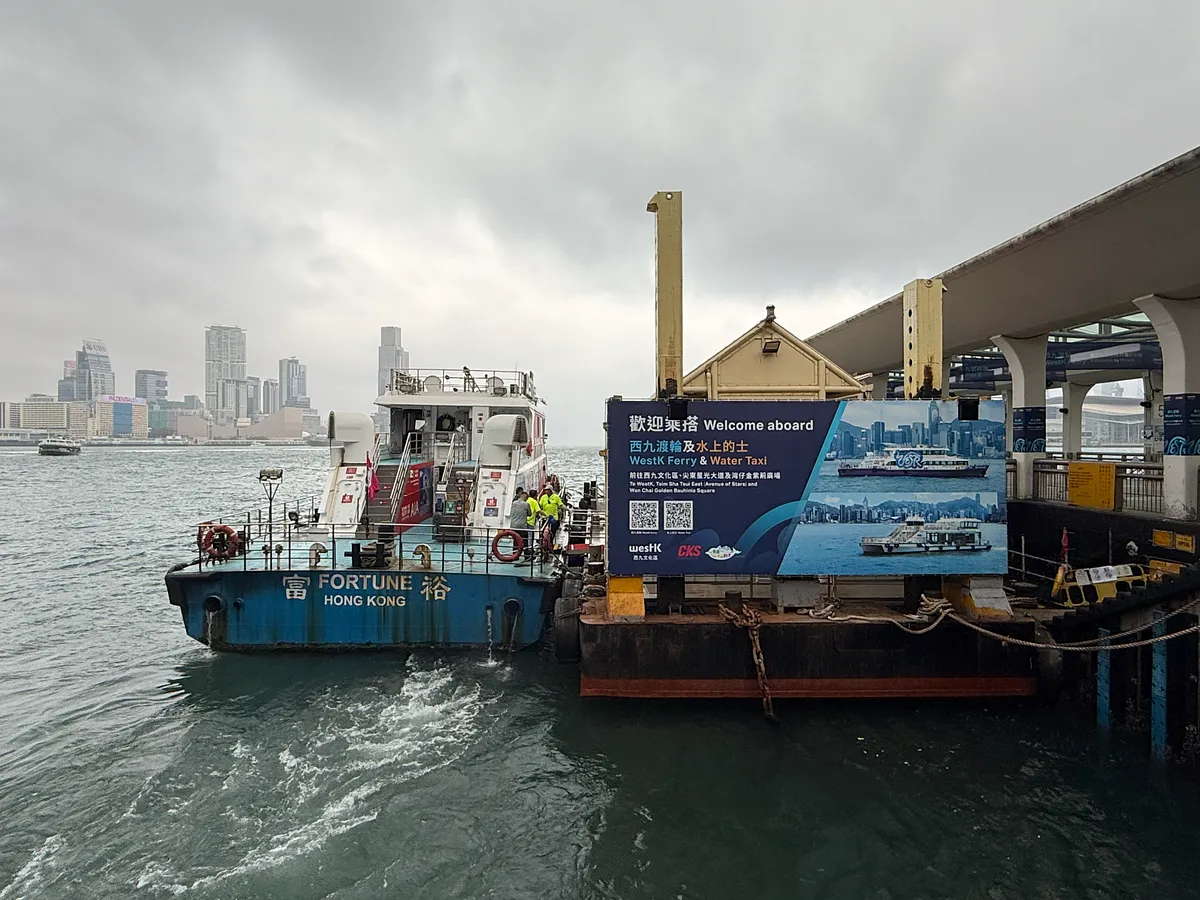
Ferry terminal at Victoria Harbour, Hong Kong. Photo: Patrick Hughes.
Hong Kong is the city I have used most for stopovers en route to Australia. It's modern, multicultural, sits right on the waterfront, and the airport-to-city link is genuinely fast. Cathay Pacific's stopover programme is also one of the most generous in the market: free for up to 7 days on eligible long-haul routes from North America, Europe, Australia or New Zealand. Business class adds free Airport Express access into central Hong Kong.
Practical notes for UK travellers: no visa for British passports, three-month stay on arrival, and the Airport Express drops you in Central in 24 minutes. The post-2020 recovery has been steady - 2025 visitor arrivals reached 49.9 million on HKTB provisional figures, and Hong Kong's HK$1.66 billion Tourism Revival Blueprint is targeting 80% of 2018 levels by year-end. Major attractions are open, mega-events have returned, and there's no UK Foreign Office travel advisory currently flagging the city.
What I'd actually do with two or three nights here. Dusk at Victoria Peak. The Star Ferry across to Kowloon for a few cents one way. The Symphony of Lights show, and the Temple Street and Jade night markets. I am still not a good enough haggler. The Sham Shui Po food scene rewards anyone willing to skip the touristy spots. If you fly the Bangkok-Hong Kong sector on Emirates First Class, that single hop also gets you the A380 product for under $700. Useful as an inbound option if you're already flying Cathay or Singapore Airlines onward to Sydney.
Singapore: The Polished Pick
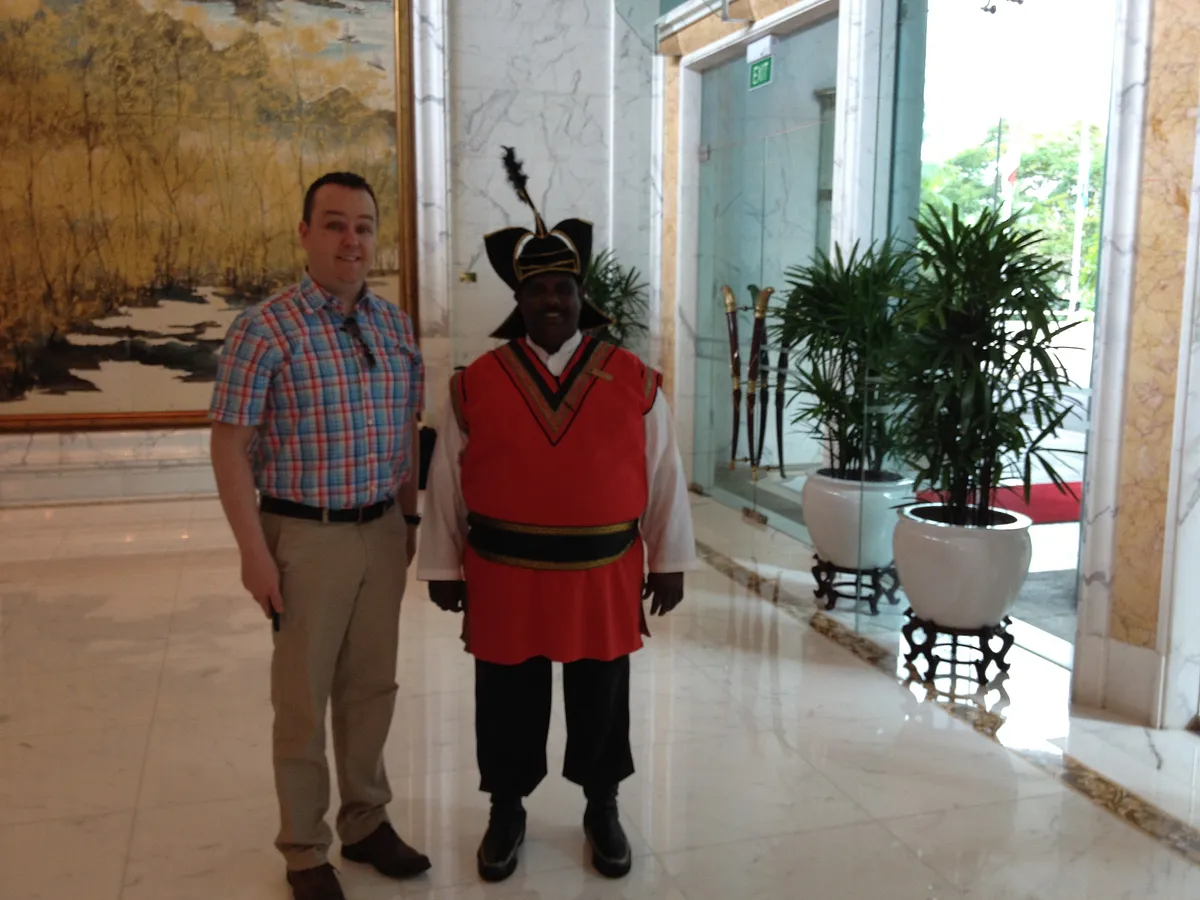
Shangri-La Singapore lobby. Photo: Patrick Hughes.
Singapore is the cleanest, most efficient stopover on the route. Changi is consistently ranked among the world's best airports, the city is small enough to do in 24-48 hours, English is everywhere, and the public transport system is the easiest to use in Asia for first-time visitors. If your priority is jet-lag recovery and zero friction, Singapore wins.
Singapore Airlines has the longest free-stopover allowance in the market, but only on award tickets - up to 30 days when redeeming KrisFlyer miles on SIA or Star Alliance partners. On revenue tickets you can add a stopover but the city is not subsidised. The trade-off versus Bangkok or Kuala Lumpur is cost - Singapore is meaningfully more expensive for hotels, food and ground transport.
What's worth your time on a 24-48 hour stop. Gardens by the Bay - Cloud Forest and Flower Dome are both worth the combined ticket. The Marina Bay waterfront walk. Hawker centres for the food (Lau Pa Sat, Maxwell, Newton). Jewel Changi inside the airport itself if your layover is shorter. The HSBC Rain Vortex at Jewel is the world's tallest indoor waterfall and you can see it without leaving the airport. Singapore is also the natural choice for the SQ A380 services into Sydney and Melbourne.
Kuala Lumpur: The Value Pick
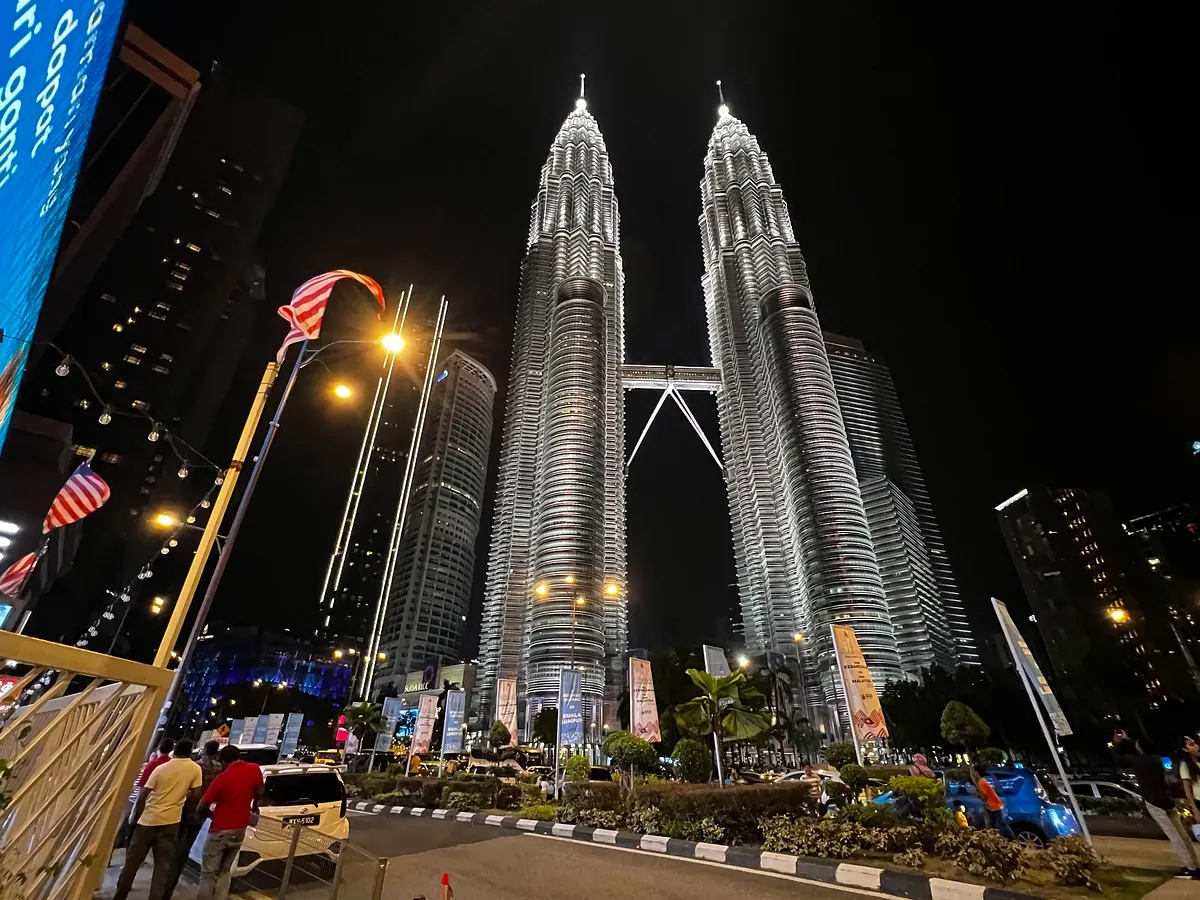
Petronas Twin Towers at night, Kuala Lumpur. Photo: Patrick Hughes.
Kuala Lumpur is one of my favourite cities in Southeast Asia, and I think it is genuinely underrated as a stopover. It costs roughly half what Singapore costs at every level: hotels, food, taxis, attractions. If you're stretching a budget across a longer Australia trip, KL gives you a rest day or two without burning the credit card.
Malaysia Airlines runs an unusual stopover offer: a free domestic return flight on top of your international ticket (taxes apply). The list covers eight cities for Visit Malaysia Year 2026 - Langkawi, Penang, Johor Bahru, Kuching, Kuantan, Alor Star, Kuala Terengganu or Kota Bharu. No hotel is included, but the side-trip to Penang or Langkawi is the only programme on this list that gets you somewhere different rather than just the stopover city. If the dates work, take it.
What to actually do in 24-48 hours:
- Petronas Towers Skybridge: around RM127 / $27 weekday adult, book ahead. The towers are closed on Mondays except the second and fourth Monday of the month plus public holidays, so always check before you go
- Batu Caves: free, 272 steps, around 30-40 minutes from KL Sentral by train. Watch the monkeys near the food
- Chinatown's Petaling Street: street food and night markets
- Islamic Arts Museum: if you have a third day
Grab rides cost $6-10 across the city. The hop-on-hop-off bus runs at $6 with an English-language guide - genuinely useful for orientation on a short stop.
Bangkok: The Cultural Pick
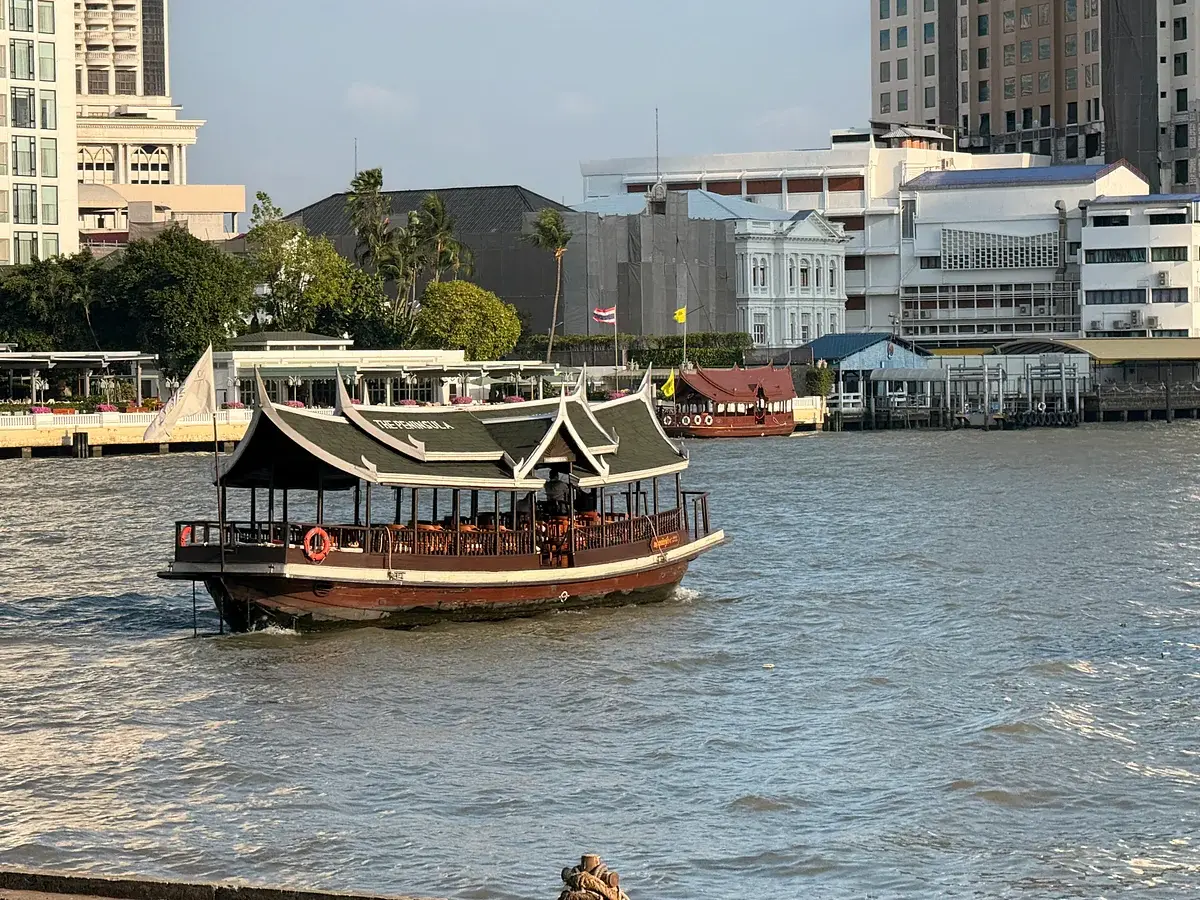
Peninsula Hotel riverboat, Bangkok. Photo: Patrick Hughes.
Bangkok is the stopover I'd choose for cultural density per hour. Backpackers, luxury travellers and food obsessives all find what they want here. You can pack three temples, a river crossing and a market into a single day if you start early. It is also one of the cheapest big cities in Asia for hotels and food.
The first-day route I'd actually run. Start at the Grand Palace (open 08:30, dress code enforced). Then Wat Pho, five minutes away, for the 46-metre gold-leaf reclining Buddha (15 metres tall). Then a 5-baht ferry across the Chao Phraya to Wat Arun. That's three of the most photographed temples in Asia in a half day. Add a long-tail boat tour of the canals if your layover is 36 hours or longer. The Maeklong Railway Market is the differentiator: vendors retract their umbrellas as the train passes through the market itself, up to eight times a day, with the train crawling through at walking pace.
Thai food is, for me, the strongest single reason to take a Bangkok stopover - it might be my favourite cuisine in the world. If you're flying onward to Australia, Bangkok is also a useful airline hub. Thai Airways runs the city directly. Emirates flies the famous BKK-HKG First Class A380 sector, which I covered separately in my review of the cheapest Emirates First Class route. The Bangkok lounge guide covers Priority Pass and pay-per-use options if you have a few hours rather than a full overnight.
Dubai: The High-Volume Hub
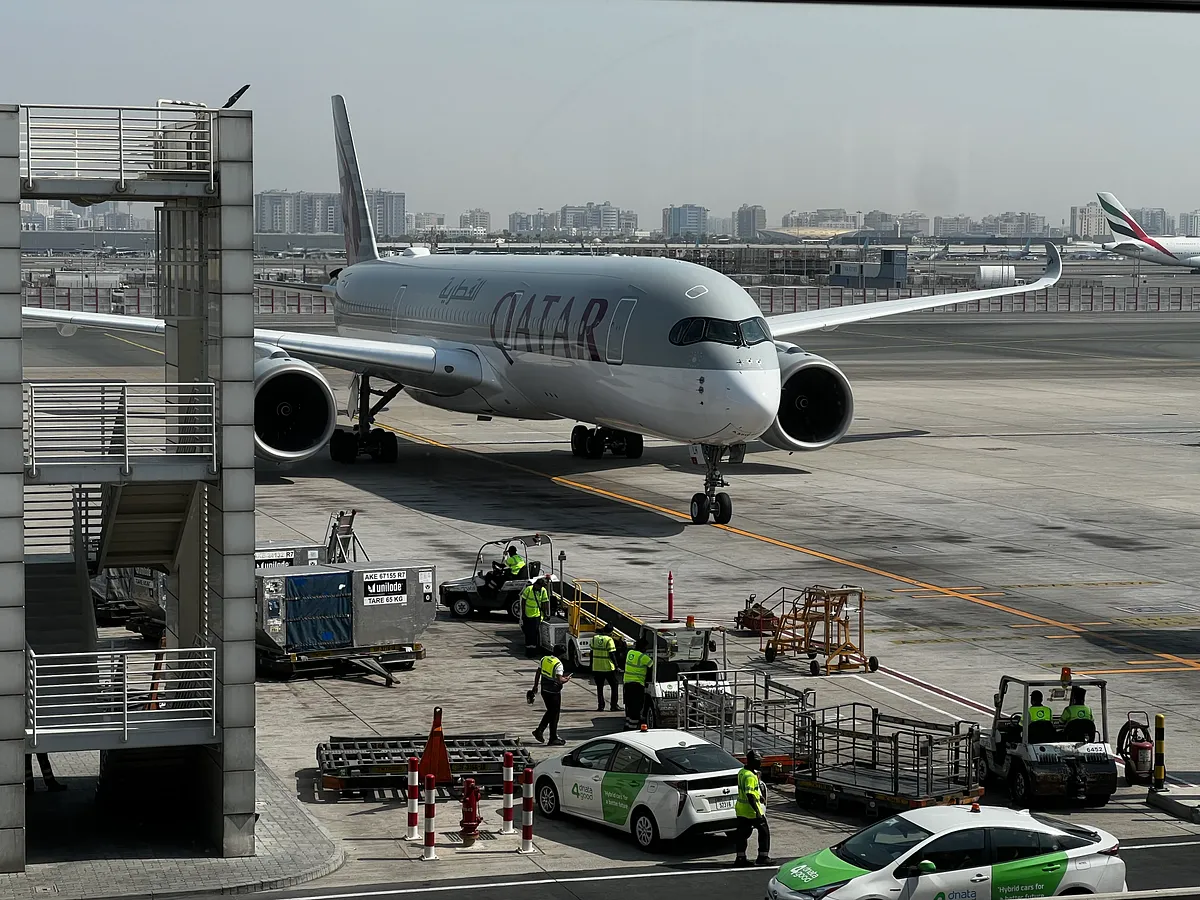
Qatar Airways A350 at Dubai. Photo: Patrick Hughes.
Dubai is the workhorse of UK-Australia traffic. Emirates flies it up to three times daily to Sydney and Melbourne and daily to Perth as of April 2026, and the network depth into Australia is the best from any single Middle East hub. If you want flight options - early morning, evening, A380 versus 777 - Dubai has them.
Emirates Dubai Connect is a generous free-hotel programme: 6-26 hour layovers in any class qualify, and only on the shortest available connection at the booking time. If you're using it, take what the system offers - you can't game the connection length without losing the benefit. My Emirates First Class price guide covers the cabin product if you're upgrading on the long sectors.
Dubai is busier, pricier and more mall-heavy than Abu Dhabi, but the upside is variety: the desert tours, the Burj Khalifa, the souks of Deira and Old Dubai, plus the beach at JBR. Two nights here is enough on a stopover - this is not a place I'd build a four-night holiday around. The Middle East disruption since 2024 has affected Dubai routings as well as Doha and Abu Dhabi - cancellations and reroutes have hit all three at various points. The next section is where the personal version of that story lives.
Abu Dhabi: The Calmer Cousin (and What Happened in March 2026)
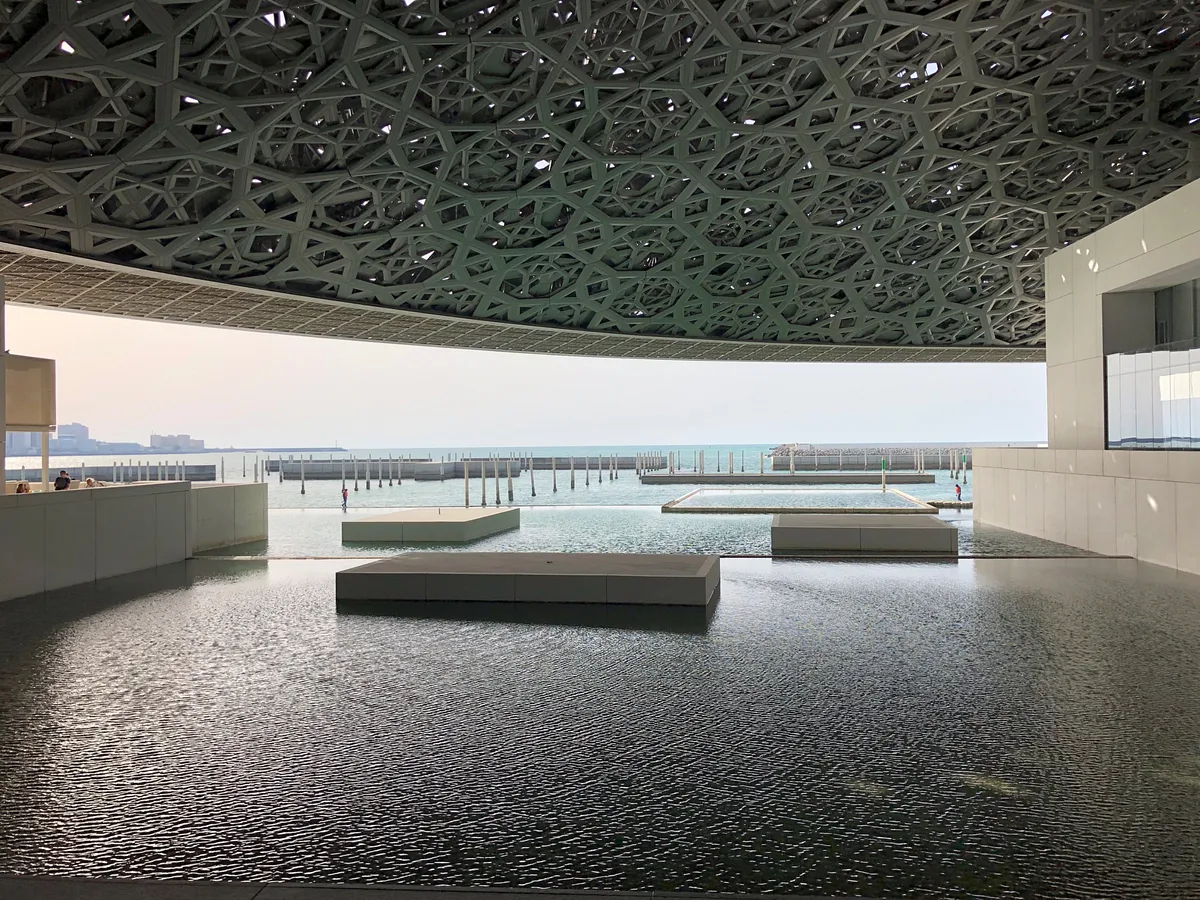
Interior view beneath the dome at Louvre Abu Dhabi. Photo: Patrick Hughes.
March 2026: I had an Etihad booking via Abu Dhabi that was repeatedly cancelled in the run-up to my flight. After the third reschedule I rerouted via a different hub. The cause was the cumulative impact of regional airspace closures and operational disruption, which has hit Doha, Abu Dhabi and Dubai at various points across 2024-2026. The picture is genuinely improving - Qatar Airways resumed Doha-Sydney, Melbourne and Perth services on 10 April 2026 and was ramping to daily by 1 May - but it has not been clean.
Where I land: prices on Middle East-routed Australia flights are softer than they otherwise would be because of the disruption, and many travellers are continuing to use the route successfully. Decide for yourself. If your trip has hard date constraints (a wedding, a connection that can't slip), I'd build in flexibility. If you're more time-flexible and price-sensitive, the discounts are real.
When the routing is clean, Etihad Stopover Abu Dhabi is the strongest free-hotel offer of any airline on this list. Two free nights at three or four-star properties - Aloft and TRYP are typical, with some itineraries getting five-star options like Shangri-La or Grand Hyatt. Plus a Stopover Pass with 15% off attractions, a free 10GB SIM card, and city shuttle access.
Eligibility for Etihad Stopover Abu Dhabi:
- Passengers from the US, Canada, Europe, Australia or New Zealand
- At least 24 hours between flights
- Booked direct with Etihad at least 72 hours before arrival
- On either the outbound or return leg (not both)
- Up to three people on one booking
Abu Dhabi itself is the calmer, more cultural cousin to Dubai. The Sheikh Zayed Grand Mosque is free to enter and around 25 minutes from downtown hotels. The Louvre Abu Dhabi is genuinely a top-tier museum (the dome with 7,850 light openings is worth the visit on its own). Yas Island has Ferrari World - the Formula Rossa rollercoaster goes 0-240 km/h in under five seconds - plus Yas Waterworld and Warner Bros World if you have kids in the group. Saadiyat Beach for the calm, Qasr Al Watan if the architecture is the draw. Abu Dhabi has been voted safest city in the world for ten consecutive years on Numbeo's index. Hotels at the Etihad-allocated tier typically run $40-65 a night for three-to-four-star and $113-139 for five-star outside peak season - those rates are why the free-hotel programme matters.
How I'd Choose Now (April 2026)
Each hub does something different best. The decision matrix I'd use today:
- Best free hotel deal: Etihad Stopover Abu Dhabi - two free nights at three or four-star (occasionally five-star)
- Longest free stopover allowed: Cathay Pacific Hong Kong (up to 7 days) or Singapore Airlines on KrisFlyer awards (up to 30 days)
- Cheapest stopover city: Kuala Lumpur, by a clear margin
- Most efficient and easiest transit: Singapore (Changi is unbeatable for first-timers)
- Best for cultural density: Bangkok
- Most flight options into Australia: Dubai, with Emirates' frequency and route depth
- Lowest exposure to 2026 Middle East disruption: Hong Kong, Singapore, Kuala Lumpur or Bangkok - all clean of that risk
If you forced me to pick one for my next trip, it would come down to mood. If I want city energy, Hong Kong. If I want calm and cultural, Abu Dhabi - assuming the routing is clean by departure. Both reward two or three nights more than they reward a 12-hour rush. Whichever you choose, build at least one full local night into the stopover. A four-hour airport pause in Bangkok is not a stopover - it's a delayed boarding announcement with better food.