
Kakadu National Park: is the day tour from Darwin worth the early start?
World Heritage wetlands, crocodiles below every surface, and rock art painted 20,000 years ago. I joined a guided day tour in March 2019 - here is whether it delivers.
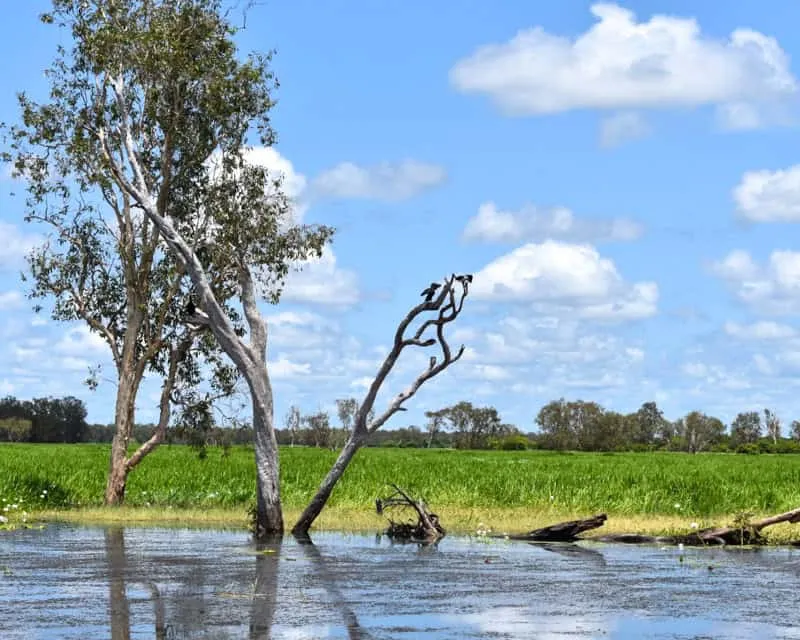
Be still, my beating heart. Kakadu National Park sits just three hours from Darwin but feels like stepping into another world entirely. I joined a guided day tour in March 2019 during what is technically wet season, and it turned into one of the most memorable days of that entire trip. Here is whether it earns the long journey and the early alarm.
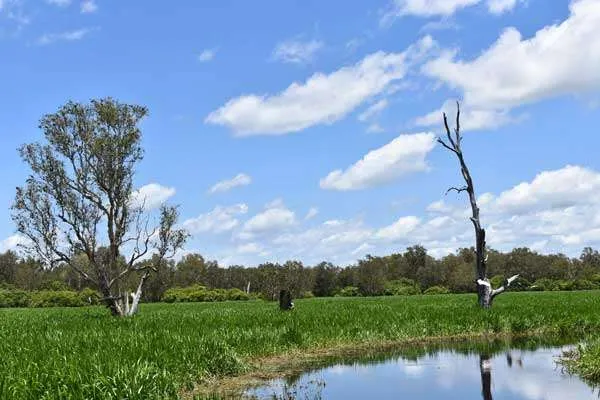
Kakadu's wetlands run flat to the horizon - (c) Patrick Hughes
How it rates
The scores below reflect a single-day guided tour in March 2019 during the wet season.
What it is: Kakadu and why a guided tour matters
Kakadu National Park is Australia's largest national park at nearly 20,000 square kilometres, and it holds dual World Heritage status - for its natural environments and for the world's oldest continuous cultural traditions. The rock art sites document 65,000 years of Aboriginal history. The wetlands support over 280 bird species, saltwater and freshwater crocodiles, and ecosystems that look genuinely prehistoric.
The three-hour drive from Darwin takes you from tropical suburban streets out through changing landscapes until the ancient escarpments and billabongs appear. You can drive yourself - the Arnhem Highway is sealed, no 4WD required - but a guided tour earns its keep here. Without a guide, you will miss the stories behind the rock art, the seasonal significance of what you are looking at, and the best spots to find wildlife. I would not have got half the experience on my own.
The experience: Ben, the cruise, and the drive home
Our guide Ben had been adopted by a Tiwi Islander family, and his knowledge of the park and its people went well beyond the standard commentary. The 6:30am pickup felt brutal until he started talking. Darwin fell away behind us and the wetland country opened up.
Our first stop was the Warradjan Aboriginal Cultural Centre on the edge of Yellow Water billabong. It is Indigenous-owned, and its displays cover 65,000 years of continuous Aboriginal culture through traditional artefacts and interactive exhibits. Photography is not permitted in the important interior areas - that is the right call, and following it matters. The location beside Yellow Water is not coincidental; this has been a meeting place and seasonal camp for millennia.
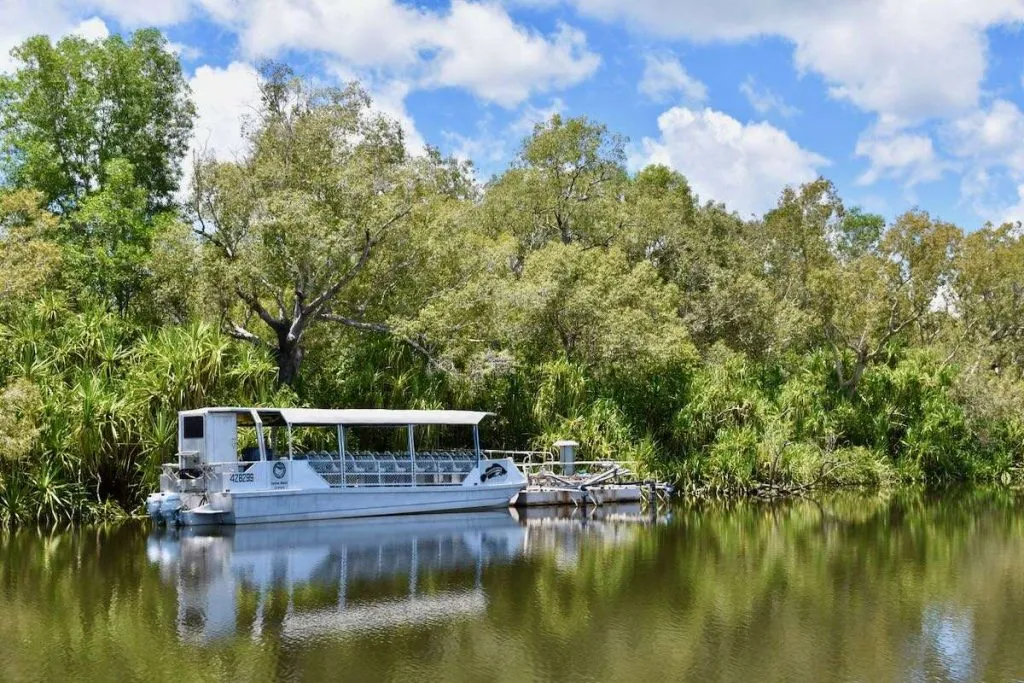
The Yellow Waters cruise - the highlight of the day.
Then came Yellow Waters. The cruise runs roughly 90 minutes and it is the highlight. As we moved through paperback forests and open billabongs, the sky above the flat wetlands reminded me of a sunny spring day in the midlands of Ireland - just as green, just as wide, but populated with creatures entirely unfamiliar to Irish landscapes. Wetland birds sat atop floating branches, unbothered by the presence of so many crocodiles in the shallows below. The cruise guide called it a modern day Jurassic Park, which is exactly right. Saltwater crocodiles - including one 4-metre individual - were present below almost every surface. The water that day was warm enough that even the crocs had retreated under the river-bank bushes for shade. Not threatening exactly, but you were in no doubt about the order of things.
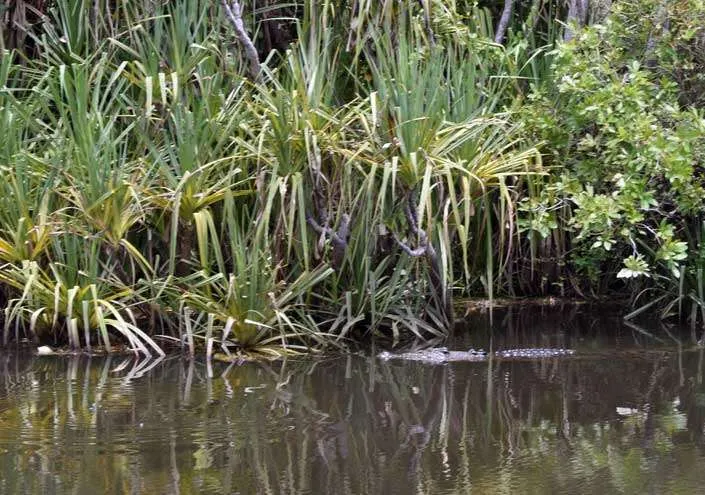
Saltwater crocodiles sat below almost every surface on the billabong.
Nourlangie Rock came after lunch. The circular walking track is 1.6 kilometres and mostly flat, passing three main galleries of rock art spanning millennia: ancient ochre hunting figures, spiritual imagery, and more recent contact-period paintings that include European ships and guns. The oldest pieces are up to 20,000 years old. Standing in front of them, knowing what they are, changes your sense of scale.
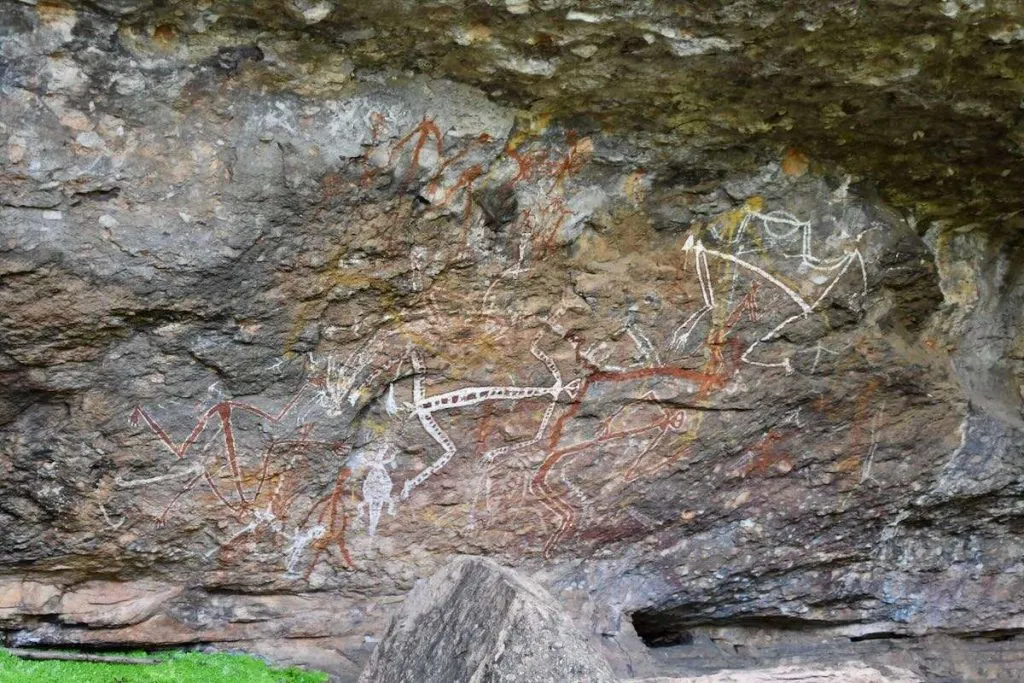
Rock art at Nourlangie, some galleries up to 20,000 years old.
The drive back to Darwin after dark was its own thing. As the lights of the city came into view, the soft colours in the sky were suddenly cut by multiple forms of sheet and fork lightning - wet season announcing itself, thunder and monsoonal rain rolling in behind us. A fitting end to a day that had been, from start to finish, completely outside ordinary experience.
Practical: early starts, seasons, and croc sense
Pickup is around 6:30am from Darwin hotels. Base yourself centrally - not every hotel or Airbnb falls within the pickup radius, and you do not want to find that out the morning of the tour. The day runs 12-14 hours including travel, so rest up the night before and the night you return.
Dry season (May to September) is the headline choice: reliable weather, more accessible sites, and concentrated wildlife around the remaining water sources. Wet season (October to April) has genuine advantages - dramatic skies, fewer other tourists, and active birdlife - but some roads close and swimming spots are restricted. My March visit was an unusually clear day within peak wet season, and conditions were ideal; I was simply lucky with timing.
Crocodile safety is not optional: never enter any waterway. Both saltwater and freshwater crocodiles inhabit Kakadu. Stay well back from water edges, including during the cruise. The tour guides manage this, but take it seriously. Sun exposure is extreme year-round - hat, SPF 50+ sunscreen, and closed-toe shoes for the rock art walks.
Is it worth it?
What Works04
- Yellow Waters cruise is a genuinely remarkable 90 minutes - the wildlife density is unlike anything most visitors will have seen
- The cultural interpretation from a knowledgeable guide is irreplaceable - the rock art needs context to land
- Excellent value once you factor in what a similar independent day would cost in fuel, park passes, and effort
- March wet season worked well on a clear day - do not automatically rule it out
What Doesn't04
- The 6:30am pickup and 12-14 hour day demand proper sleep the night before - not the right choice if you are already running on fumes
- Central Darwin basing is important; check the pickup zone before you book accommodation
- You will see crocodiles but not on command - the Yellow Waters guide helps, but wildlife is never guaranteed
- Self-drive gives you flexibility but costs similar once you add park passes, and you lose the cultural layer
How to do it: book the tour
The day tour I took is the one I am recommending. It includes Yellow Waters cruise, Warradjan Cultural Centre, Nourlangie, buffet lunch, and return pickup from Darwin hotels.
If you prefer to drive yourself, the Arnhem Highway is sealed and suitable for standard 2WD vehicles. Allow three hours each way, fill the tank in Darwin, and factor in the Kakadu park pass (AUD 40 per vehicle for 14 days). You gain flexibility; you lose the guide, and that is a real trade-off here.
Verdict: one of the best day trips I have done anywhere
Kakadu is the kind of place that recalibrates your expectations. I went expecting a good day out and came back having experienced something I am still describing years later: crocodiles lurking below every surface on Yellow Waters, a guide whose connection to this land made the rock art feel alive, and a lightning storm on the drive home that felt like the park's final full stop. At from AUD 210 including everything, it represents excellent value for the distance covered and the cultural access provided.
The 6:30am start and the 12-14 hour day are the real asks. Sleep well beforehand, base yourself centrally in Darwin, and book a central hotel for the night you return. Do not under-estimate the tiredness. Everything else - the distance, the crocodiles, the wet season timing - I would do exactly the same again.
Anyone based in Darwin with a full day available - especially during wet season if conditions look favourable. The cultural interpretation makes it worth doing as a tour rather than self-drive.
Anyone already exhausted or under a time crunch. The day is long and asks for full energy. If you only have a half-day, the park does not work at this distance.