
Reykjavik
The world's northernmost capital is compact but spread out enough that the wrong neighbourhood costs you. Get the base right and Reykjavik is a walkable, design-led launchpad for the Golden Circle, the south coast and the northern lights.
Reykjavik was the first place I travelled after the pandemic, and I have been back three more times since. The city is compact, but spread out enough that some districts are not walkable - so the neighbourhood you choose matters more than the hotel itself. Hotels here run from converted fish-processing warehouses to sleek glass towers, but they stay refreshingly modest in scale, and location trumps luxury every time.
Most visitors use Reykjavik as a base for day trips - the Golden Circle, the south-coast glaciers, the Blue Lagoon - or as a transatlantic stopover on Icelandair. Two days covers the compact centre and one big day trip; longer lets you reach the south coast or chase the aurora properly in the darker months.
Getting there
Keflavik (KEF) is about 50km southwest of the city, and there is no rail link - the Flybus and other airport coaches run the route in around 45 minutes, timed to flights, and a transfer can be bundled with a Blue Lagoon stop on the way in or out (the lagoon sits between the airport and the city). Iceland's whole inbound model is the transatlantic stopover, so many visitors land here for a few nights between Europe and North America. For the options compared see my Keflavik to Reykjavik guide and the stopover logistics; for routes into Iceland by origin, see the Iceland country guide.
Getting around
Central Reykjavik is walkable - the 101 district, the Old Harbour and the main sights are a connected core you can cross on foot. The Straeto city buses cover the rest, but you will rarely need them downtown. There are no trains in Iceland: everything beyond the city is reached by an organised day tour or a hire car, and the weather, not the distance, is what dictates the day. If you are touring the Ring Road or the south coast independently, a car (ideally 4x4 in winter) is the move.
What to see
The compact centre, walkable from a 101 or Old Harbour base.
Hallgrimskirkja
The basalt-column church spire that anchors the skyline - take the lift up the tower for the best view over the colourful corrugated-iron rooftops.
Harpa Concert Hall
The glass honeycomb on the waterfront, stunning at dusk when it lights up. Free to wander inside even without a concert.
The Old Harbour
A real working harbour and the departure point for whale-watching and puffin tours, with some of the city's best seafood a few steps back.
Sun Voyager & the waterfront walk
The steel longboat sculpture on the seafront path, with Mount Esja across the bay - a short, photogenic stroll from the centre.
Laugavegur
The main street: coffee, design shops, wool, and the weekend nightlife that punches well above the city's size.
Neighbourhoods & hotels
Where you stay in Reykjavik matters more than in most cities. Pick a neighbourhood for detail and hotel picks.
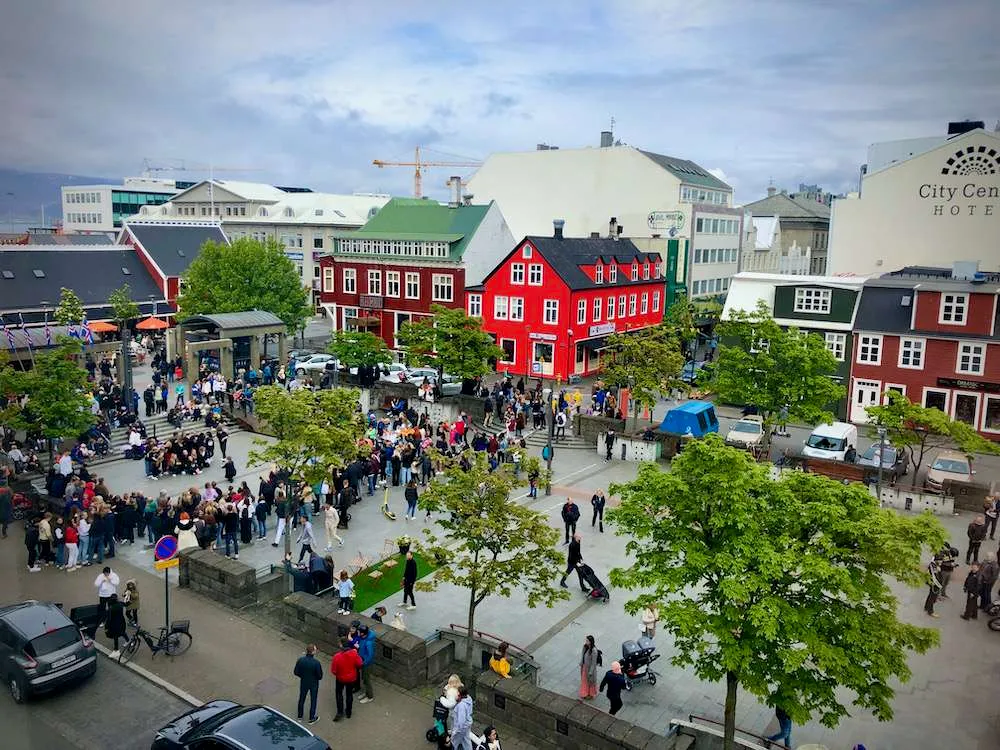
The absolute heart of Reykjavik - within a hop, skip and a stumble of Laugavegur, Hallgrimskirkja and virtually every restaurant that matters. Narrow streets of colourful corrugated-iron houses, a coffee or a piece of local art on every corner. The trade-off is premium pricing and the occasional bout of Nordic nightlife noise.
A quieter, real-harbour vibe still within walking distance of downtown, with genuine working-harbour atmosphere most visitors miss - and often better value. Whale-watching tours leave from the doorstep, and it is the natural base if you arrive by cruise.
A solid hotel without the bang-in-the-centre premium, a short walk or bus from downtown, with the airport bus stop right outside. I have stayed at the Storm and the Fosshotel here and both were excellent, especially for the included breakfast.
KEF's eastbound departures are punishingly early, and staying near the airport turns departure day from a pre-dawn bus scramble into a fifteen-minute roll out of bed. The area lacks all of Reykjavik's charm, but you will thank yourself at 5am.

Worth the trip
The day trips worth booking from Reykjavik.
Golden Circle classic day trip
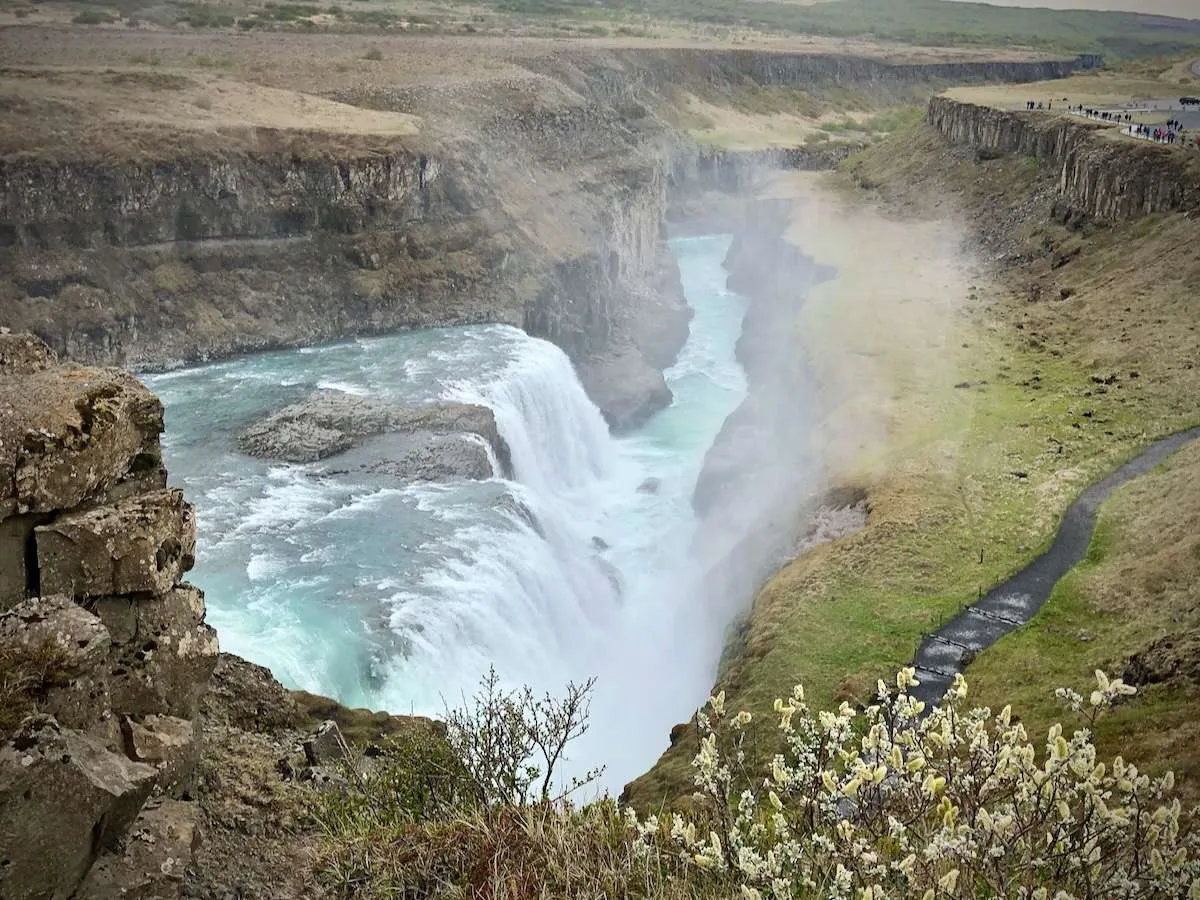
The essential first day trip: Thingvellir, the Geysir hot springs and Gullfoss waterfall in a single loop. Year-round, and the one to do if you only do one.
Check availability →Blue Lagoon return transfer
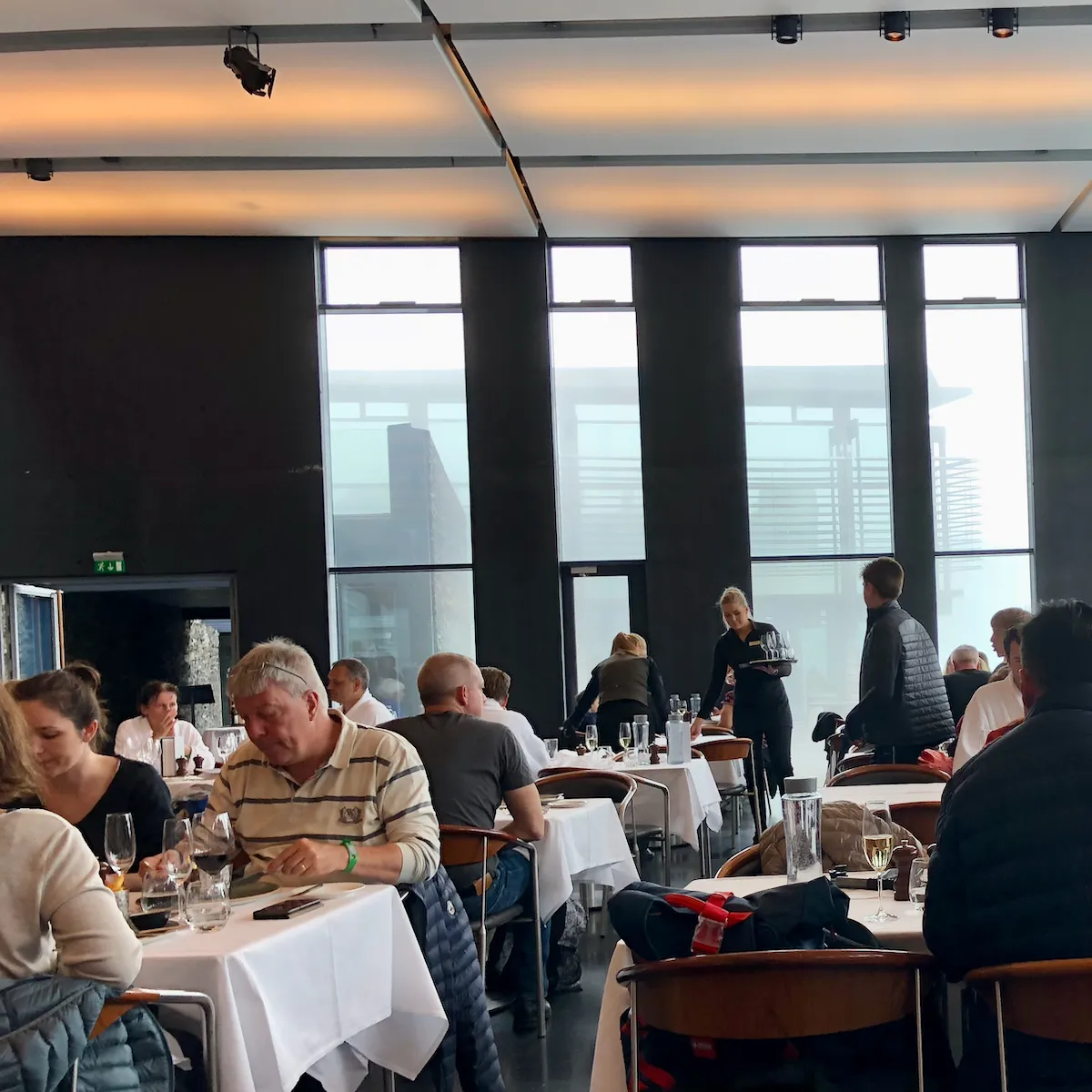
The famous geothermal spa sits between Keflavik and the city, so it pairs perfectly with an arrival or departure day. Book the transfer with your entry slot.
Check availability →Northern lights bus tour
A guided chase away from the city lights on clear nights, September to March. Operators rebook you free if the aurora does not show - take the offer.
Check availability →Solheimajokull glacier hike
A small-group walk on a south-coast glacier tongue with crampons and a guide - far more accessible than it sounds, and a genuine highlight.
Check availability →More on Reykjavik
Tested routes
2024Icelandair Saga Premium: the transatlantic stopover carrierExcellent→2023Icelandair economy: Dublin to KeflavikGood→Good to know
Getting in from KEF
No rail link - the Flybus and airport coaches run to the city in ~45 minutes, timed to flights. You can add a Blue Lagoon stop en route, as it sits between the airport and town.
It is expensive
Budget well above Western Europe - a casual dinner with drinks runs high. Self-cater where you can, and the supermarket (Bonus) is your friend.
Weather over plans
Conditions change hourly and dictate day trips, not the calendar. Pack proper layers and a waterproof shell year-round; check road and aurora forecasts daily.
Tap water
Among the best in the world, straight from the tap - never buy bottled. The hot water has a faint sulphur smell; that is normal.
Northern lights
Visible on clear, dark nights roughly September to March - never guaranteed. Three nights gives a realistic window; the guided tours rebook you free if it clouds over.
Tipping
Not expected - service is included. Round up if you like, but no one is counting.