
Athens
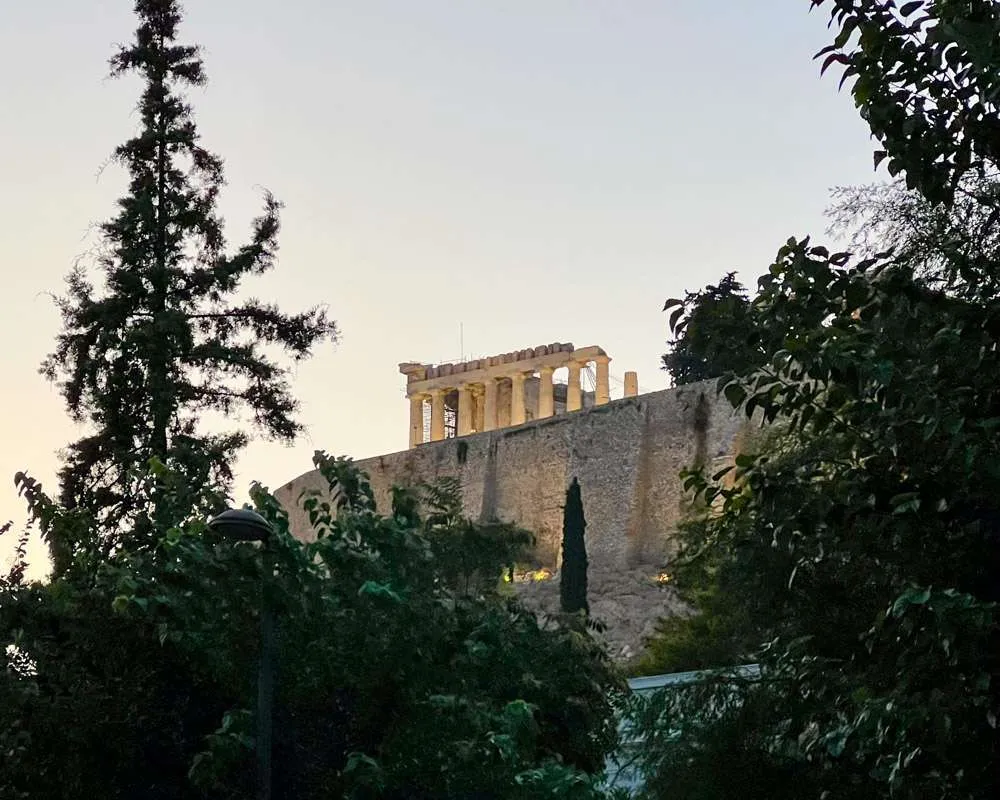
Most people treat Athens as a transit point on the way to the islands. Give it two days and the right central base and it earns its place - the Acropolis, the museums, and a food scene with nothing to do with the tourist quarter.
Athens is massive, and like many ancient cities that grew organically over thousands of years it can feel overwhelming if you pick the wrong neighbourhood. Choosing the right central area is not just about comfort - it is about not spending half your trip stuck in traffic or walking through stretches you would rather avoid after dark. Get the base right and the historic core is yours on foot.
Two days is the floor: the Acropolis in the morning, the Acropolis Museum after, the National Archaeological Museum, and a street-food walk to decode what Athenians actually eat. Three lets you add a day trip - an island like Aegina, or Cape Sounion for the sunset. The city reveals itself slowly, and rewards staying longer than the one rushed night most people give it.
Getting there
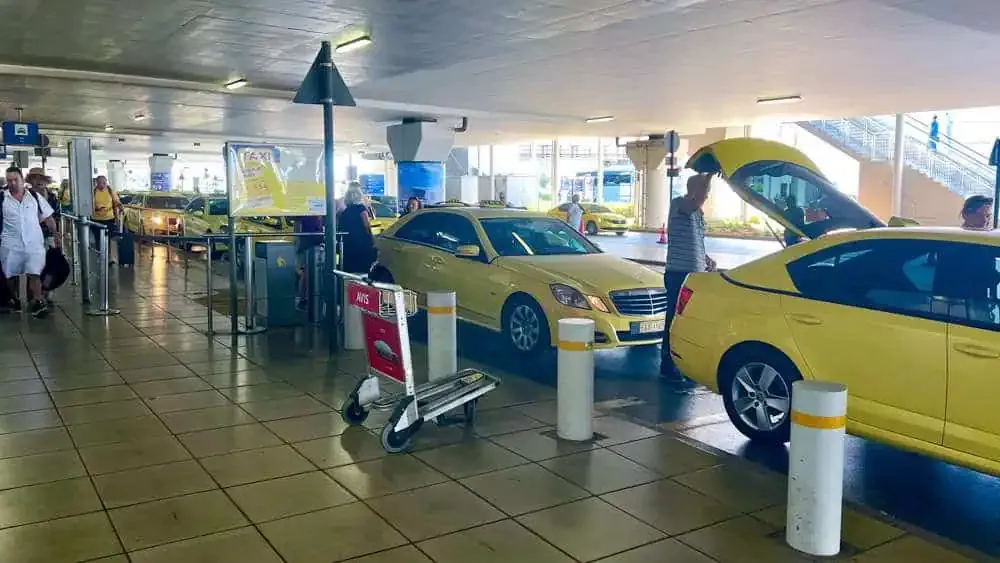
Athens International (ATH) sits east of the city. Metro Line 3 runs straight from the airport to Syntagma and Monastiraki in about 40 minutes for a flat EUR 9 - the cleanest way in, skipping the traffic entirely. The X95 express bus is the 24-hour budget option to Syntagma, and a licensed taxi is a fixed EUR 40 fare by day (more at night). For every option compared, see my Athens airport transfer guide; for flights into Greece by origin, see the Greece country guide.
From within Greece
Athens is the hub for the islands and the mainland - here is how it connects.
| From | Method | Journey time | Notes |
|---|---|---|---|
| Santorini | Ferry (Piraeus) or flight | 5-8h / ~45m | High-speed ferries from Piraeus in summer; Aegean and Sky Express fly year-round. |
| Mykonos | Ferry (Rafina/Piraeus) or flight | 2.5-5h / ~40m | Rafina port is closer for Mykonos; ferries fill in July-August. |
| Crete (Heraklion) | Overnight ferry or flight | ~9h / ~50m | Overnight ferry from Piraeus, or a quick domestic flight. |
| Thessaloniki | Flight or rail | ~50m / ~4h | Domestic flight, or the mainline train from Larissa station. |
Getting around
Central Athens is walkable - Plaka, Monastiraki, Syntagma and the ancient sites form a connected core you can cross on foot. The Metro (three lines) covers the rest cheaply: Line 1 to Piraeus for the ferries, Line 3 to the airport. Taxis are cheap by Western standards, and the FreeNow app routes you to licensed cabs without the haggling. The real constraint in summer is heat - sightsee early, retreat in the afternoon, and come back out in the evening.
What to see
The headline sites, and what is worth your time beyond the Acropolis.
The Acropolis & Ancient Agora
The reason most people come, and worth the crowds - go early or late to beat the heat, and book ahead. The Ancient Agora below is quieter and more atmospheric, and the city layout suddenly makes sense from up top.
Acropolis Museum
Essential after the hill itself: the context that makes the ruins legible, with the Parthenon marbles displayed against the real thing through the glass.
National Archaeological Museum
Overlooked next to the Acropolis Museum and it should not be - the gold Mask of Agamemnon, the bronze Poseidon, and the Antikythera mechanism. Less crowded, too.
Plaka & Anafiotika
The old town's cobbled lanes under the Acropolis; the Anafiotika quarter feels like a Cycladic island village. Best in the evening once the day-trippers leave.
The Central Market (Varvakios)
A sensory overload of fish, meat, olives and spices - go in the morning when the vendors are setting up. Where Greek cooking actually starts.
Neighbourhoods & hotels
Where you stay in Athens matters more than in most cities. Pick a neighbourhood for detail and hotel picks.
Where everything converges - this is the area I based myself in last visit and it made exploring Athens far easier. You are at the crossroads of the Metro (so airport transfers are simple), surrounded by restaurants for every budget, and close enough to the sites to walk but far enough from the tourist chaos to get some peace in the evenings.
The most atmospheric quarter: narrow cobbled streets between neoclassical buildings, never more than a stone's throw from the Acropolis, the Ancient Agora and the best traditional tavernas. Plaka feels almost village-like; Monastiraki adds the organised chaos of the flea market and its squares.
The city's creative quarters - formerly industrial, now full of street art, independent bars and genuinely interesting restaurants. A short metro ride or pleasant walk from the sites, and in the evenings you are in the thick of modern Athens. Good value, and where younger visitors should look.
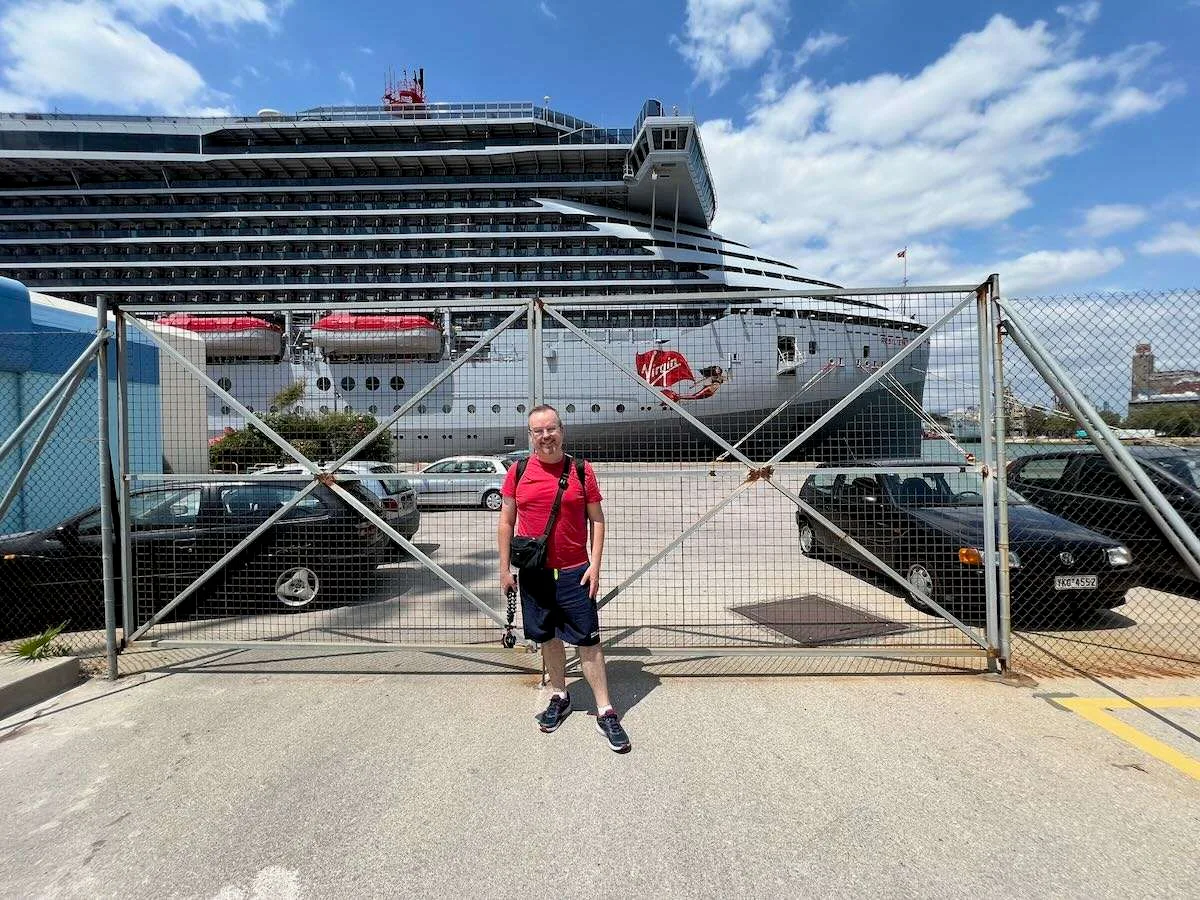
Mostly overlooked by tourists, with an authentic working-city atmosphere and excellent seafood along the marina. Ideal if you are catching a ferry or a cruise, and only about 20 minutes from central Athens by Metro Line 1, so you can still do the sites.

Worth the trip
Tours worth booking, from my Athens guide.
Skip-the-line Acropolis tour
A licensed guide gives you the context beyond "old building, very important" and skips the worst of the queue. Go early in the day.
Check availability →Athens street food walk
The best way to get oriented on day one: proper souvlaki (not gyros), Greek coffee at a kafeneio, and restaurants you would never find otherwise. Save room for the pistachio doughnuts.
Check availability →Cape Sounion sunset
The Temple of Poseidon on the cliffs makes one of Greece's great sunsets. Busy in summer, but the drive through Attica and the golden light are worth it.
Check availability →More on Athens
Tested routes
2023Aegean Airlines Business Class: Edinburgh to AthensExcellent→Good to know
Getting in from the airport
Metro Line 3 to Syntagma in ~40 minutes for a flat EUR 9; the X95 bus runs 24h. A licensed taxi is a fixed EUR 40 by day.
Ferries
Island ferries leave from Piraeus (Metro Line 1), and from Rafina for Mykonos and the nearer Cyclades. Book ahead in July-August.
Heat
July-August regularly tops 35C in the city. Sightsee early or in the evening; the islands feel cooler thanks to the meltemi wind.
Cards & cash
Cards work across central Athens; carry some euro for tavernas, markets and the smaller islands.
Tap water
Athens tap water is safe to drink. Some islands desalinate theirs - drinkable, but the taste varies.
Tipping
Rounding up is standard; leave cash on the table. Greek service culture is relaxed about it.