
Santiago
Santiago caught me off guard. I had expected a sprawling South American capital that you endure rather than enjoy.
What I found was a city with genuinely distinct neighbourhoods, an excellent metro, a food and wine scene that rivals Buenos Aires, and day trips that range from UNESCO coastal towns to Andes mountain lakes. Where you stay shapes the experience in a way that matters - Providencia feels like living in Santiago, Lastarria feels like visiting it, and Bellavista feels like a party. Seven neighbourhoods, each with a clear personality.
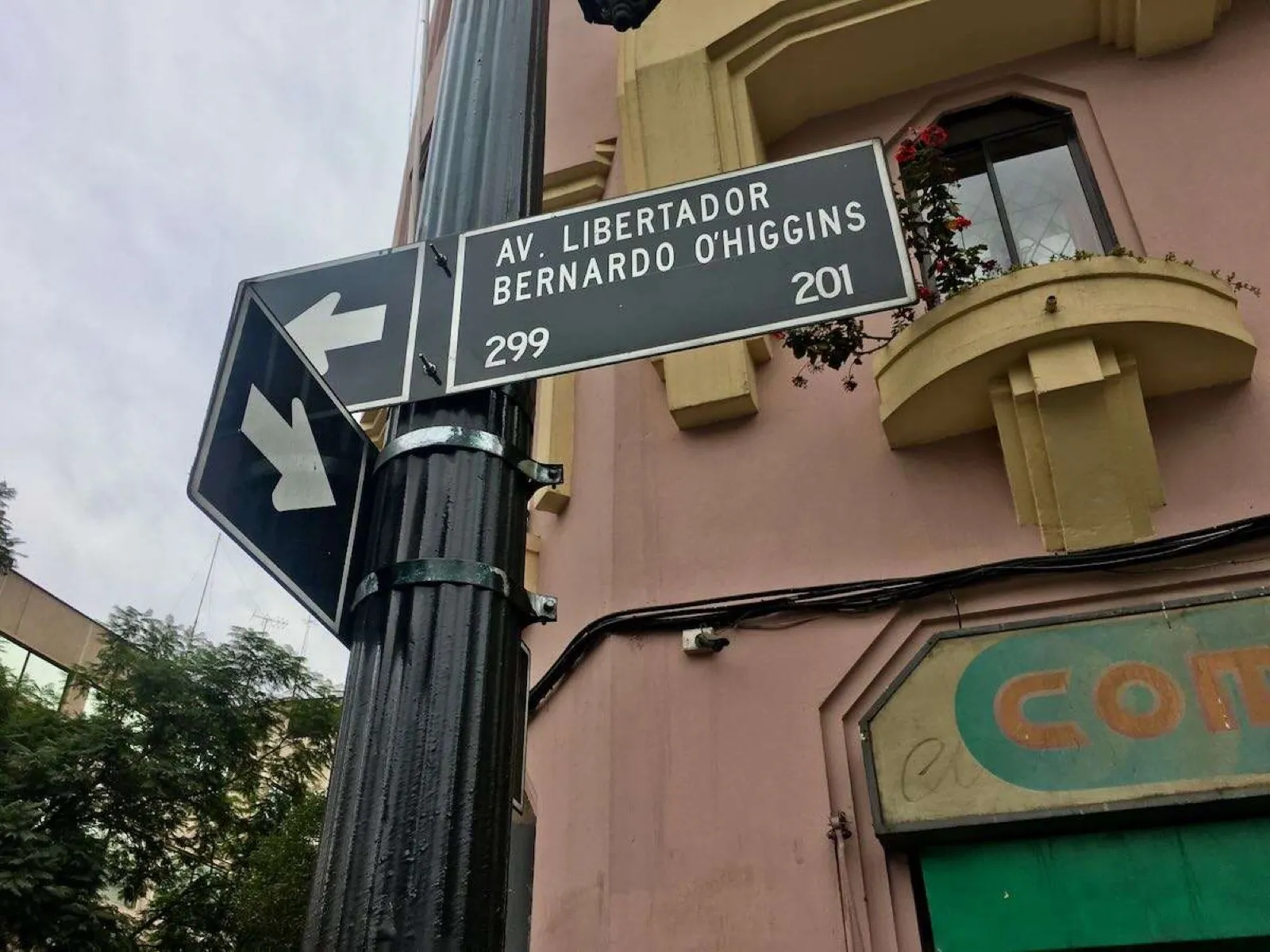
Getting there
International flights arrive at Santiago (SCL), 30-45 minutes west of the city centre. Most flights from Europe connect via Madrid or Sao Paulo. Direct service from Miami and seasonal from LA. For full routing options, see the Chile country guide.
From Buenos Aires: LATAM operates multiple daily flights, about 2 hours 20 minutes. One of South America's busiest routes. Book a window seat for the Andes crossing. See my LATAM Buenos Aires to Santiago review.
From Australasia: LATAM operates the direct trans-Pacific link to Auckland and Sydney. See my LATAM Santiago to Auckland review.
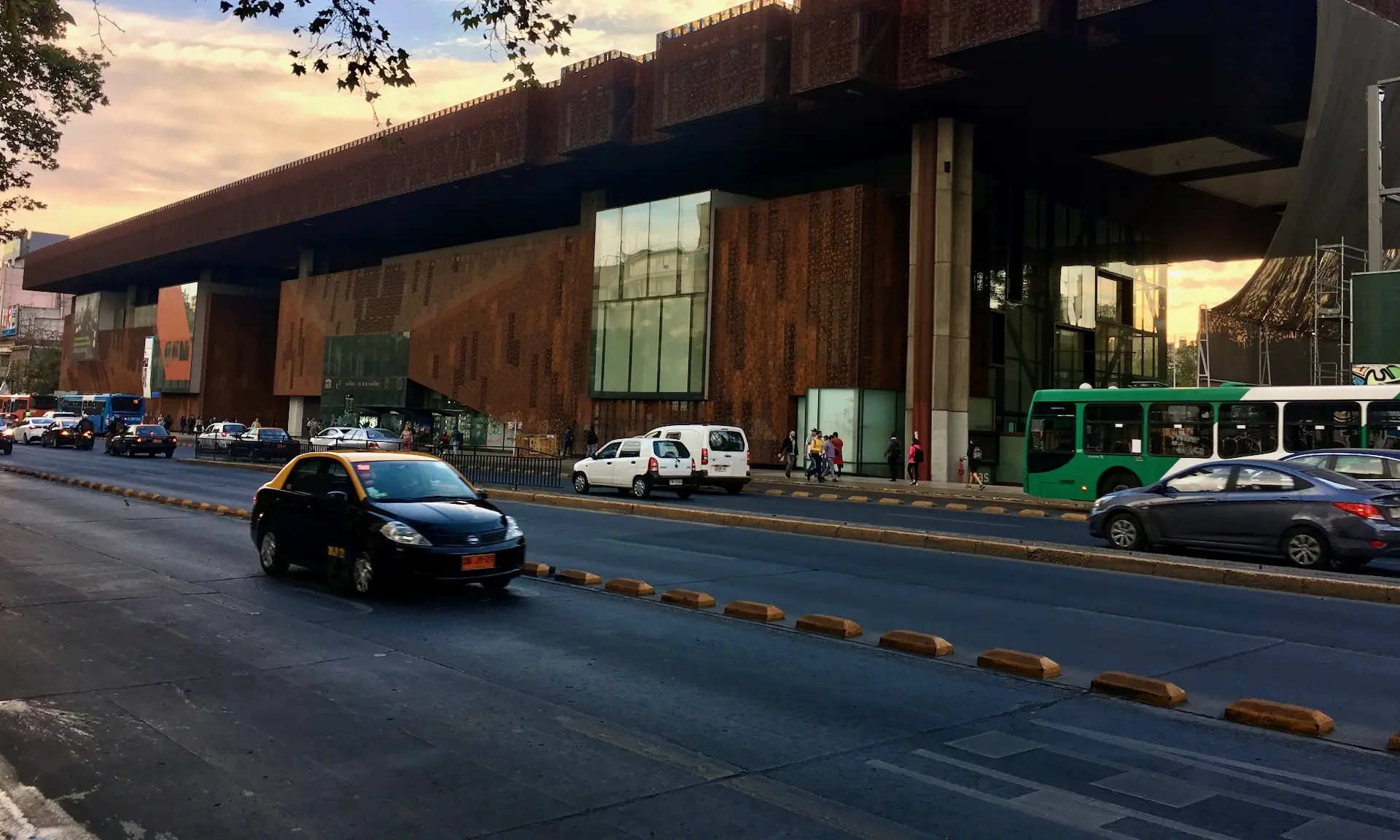
From within Chile
Santiago is the base for the whole country - mostly by air.
| From | Method | Journey time | Notes |
|---|---|---|---|
| Valparaiso | Bus / car | ~1.5h | Public buses run frequently. Easy day trip or short stay. UNESCO World Heritage port city. |
| Buenos Aires (Argentina) | Flight from SCL | ~2h 20m | LATAM operates multiple daily. Arrives at Aeroparque (AEP), not Ezeiza. Andes crossing views. |
| Atacama Desert | Domestic flight to CJC | ~2h | LATAM, Sky, and JetSmart to Calama. The only practical option - overland is 20+ hours. |
| Patagonia (Punta Arenas) | Domestic flight to PUQ | ~3h 30m | Gateway to Torres del Paine. LATAM and Sky operate daily. Fly, do not bus. |
| Lima (Peru) | Flight | ~3h 30m | LATAM direct. Useful for combining Chile with Peru. Multiple daily frequencies. |
Getting around
Santiago's metro is excellent, cheap, and clean. Six lines covering most visitor areas with trains every few minutes. You need a Bip! card - a rechargeable transit card (CLP 1,550, about $1.70 USD) that works on metro and buses. Fares range from CLP 710-870 depending on time of day.
Uber, DiDi, and Cabify all work well. Short trips between central neighbourhoods cost CLP 2,500-7,000. Same legal grey area as Buenos Aires - drivers may ask you to sit in the front seat. Walking is excellent within neighbourhoods; Providencia, Lastarria, and Barrio Italia are particularly walkable, and the metro handles the distances between.
For getting from the airport, see my SCL transfer guide.
Neighbourhoods & hotels
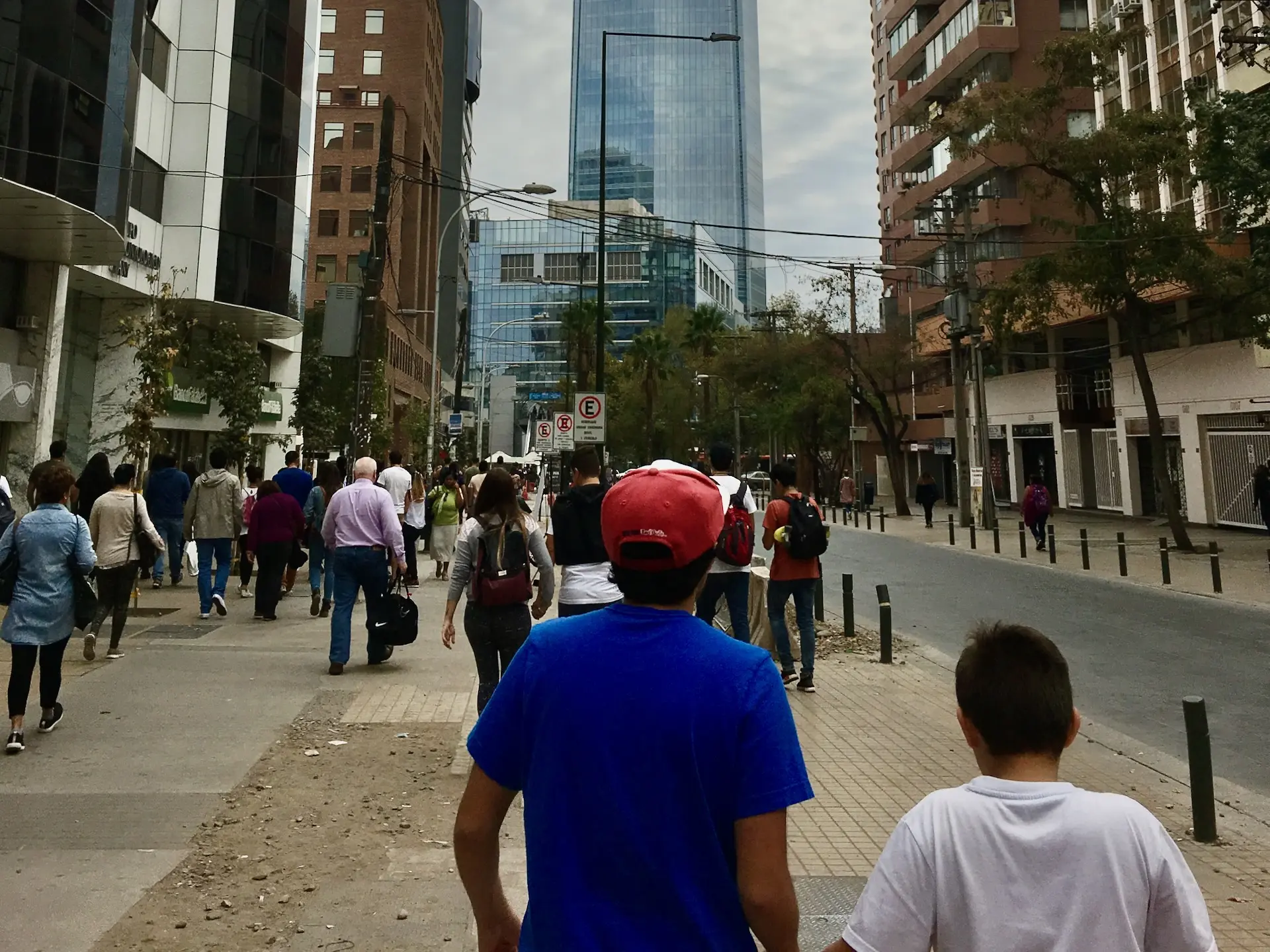
Where you stay in Santiago matters more than in most cities. Pick a neighbourhood for detail and hotel picks.
Providencia surprised me completely. Expected another business district but this leafy neighbourhood feels like where Santiaguinos actually live. Tree-lined streets, neighbourhood cafes, a slower pace. Evening strolls feel safe and pleasant. Five metro stations mean you are never far from excellent public transport. I stayed here and it set the right tone - hidden restaurants not in the guidebooks, serious coffee, and a genuine local atmosphere.
The cultural heart - museums, Cerro Santa Lucia, and Lastarria's cafes and galleries. Lively by day; Centro outside Lastarria quietens after business hours.
The modern business district - high-rises, malls, and reliable safety. Polished but less characterful; good for business or comfort.
Santiago's most upscale quarter - fine dining, design, and quiet leafy streets. Priced to match.
The nightlife and bohemian district at the foot of San Cristobal hill - murals, bars, and Pablo Neruda's house. Lively and young.
Design studios, antique shops, and some of the city's best small restaurants. A foodie and creative favourite.
A residential, local neighbourhood with a relaxed plaza scene. Budget-friendly and good for longer stays.
Worth the trip
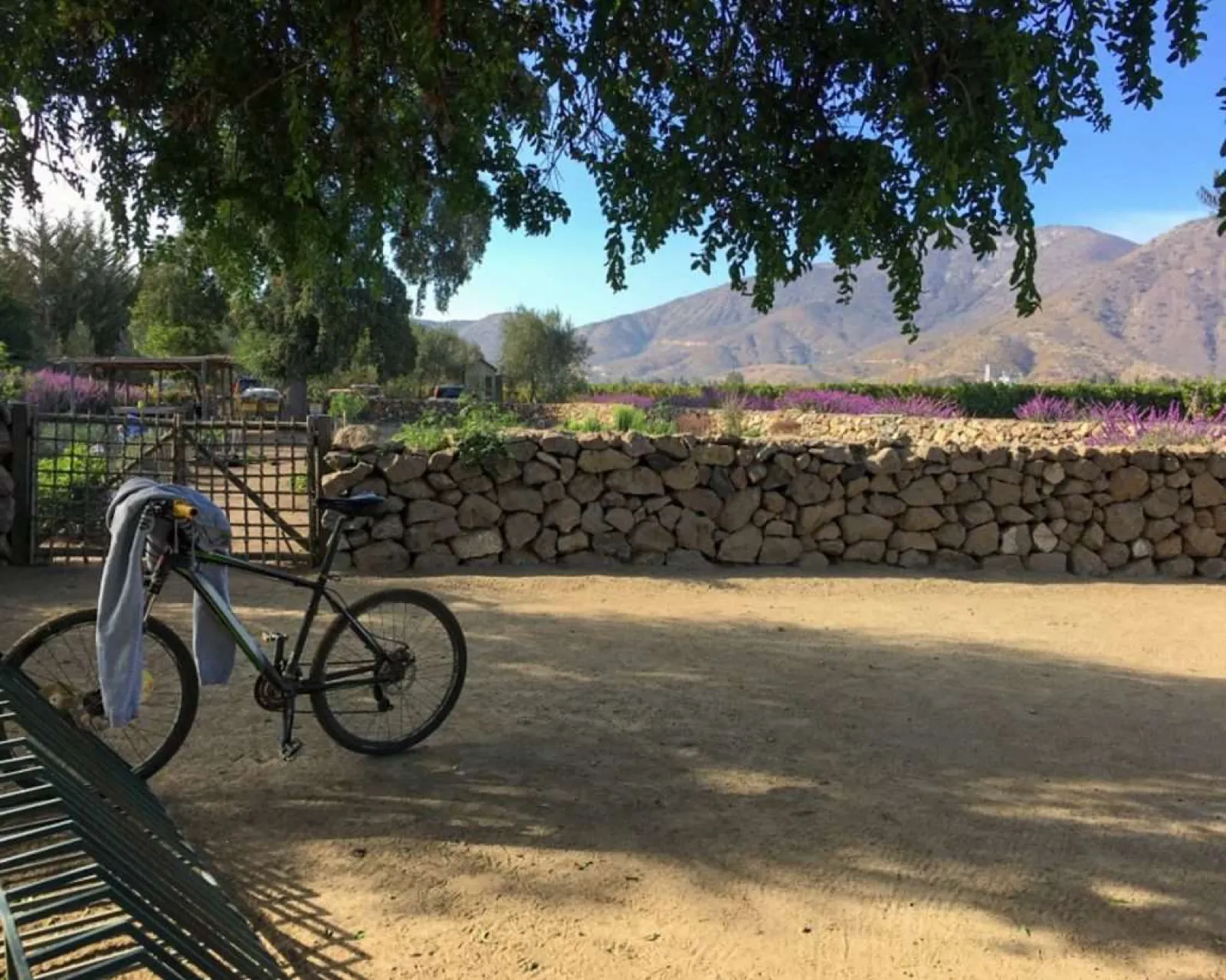
Day trips and experiences worth the time, with availability.
Valparaiso and Vina del Mar
UNESCO street art, rainbow-painted houses climbing hillsides, century-old funiculars, and coastal charm. 1.5 hours from Santiago. The Cerro Alegre and Cerro Concepcion districts completely change expectations of Chilean coastal towns. Combine with Vina del Mar for beach and lunch.
Check availability →Cajon del Maipo
Andes mountain scenery, turquoise lakes, and natural hot springs, one hour southeast of Santiago. El Yeso Reservoir is surrounded by snow-capped peaks; natural hot springs at Termas Valle de Colina. The drive alone is spectacular.
Check availability →Concha y Toro wine tour
World-class tastings 30 minutes from central Santiago. The Casillero del Diablo tour includes underground storage, gardens, and premium carmenere tastings with cheese pairings. Chilean reds are genuinely excellent.
Check availability →Casablanca Valley wine tour
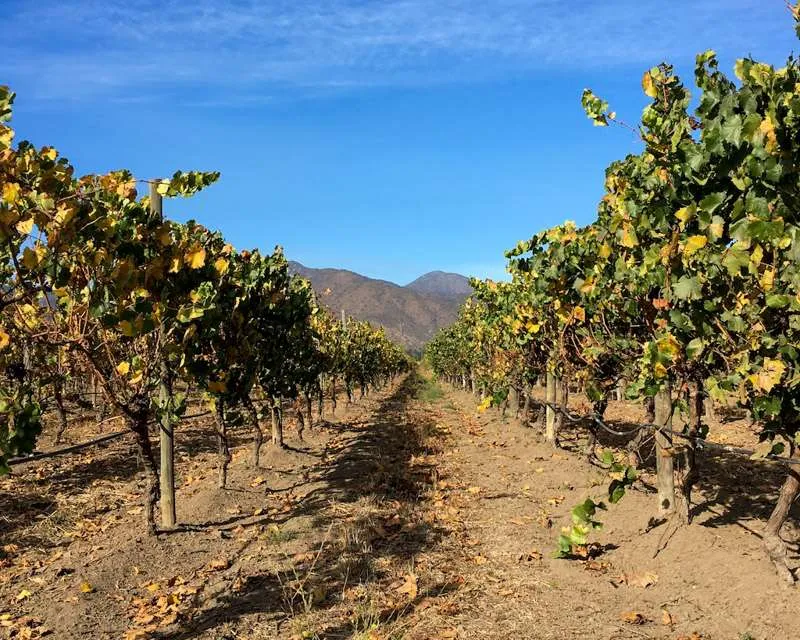
Chile's best white wines come from Casablanca Valley. Multiple vineyard visits including organic producers like Emiliana. Often combined with a coastal tour to Valparaiso. A full day out.
Check availability →Valle Nevado skiing
Skiing and snowboarding at over 3,000 metres in the Andes, 90 minutes from Santiago. Even if you do not ski, the mountain scenery and resort restaurants with panoramic views are worth the drive.
Check availability →More on Santiago
Tested routes
2024LATAM Economy: Santiago to AucklandAdequate→2024LATAM Economy: Buenos Aires to SantiagoAdequate→Good to know
Safety
Santiago is generally safe with standard urban awareness. Providencia, Las Condes, and Vitacura are the safest, with strong evening activity. Lastarria is very safe day and evening. Centro outside Lastarria can feel deserted after business hours - use Uber late at night. Bellavista is generally safe but watch belongings around nightlife crowds.
Metro and Bip! card
The metro is excellent, cheap, and clean. Buy a Bip! card (CLP 1,550, about $1.70 USD) for metro and buses. Fares CLP 710-870 depending on peak/off-peak. No unlimited day pass, but transfer discounts apply within 2 hours.
Currency
Chilean Peso (CLP). Cards are widely accepted in Santiago and ATMs are everywhere. Less card acceptance in smaller towns. Unlike Argentina, Chile has no parallel exchange rate - the official rate is the rate you get.
Language
Spanish, with less English spoken than in Buenos Aires. Google Translate is useful for menus and signs. Restaurant staff in Providencia and Lastarria are more likely to speak some English.
Food
Chilean cuisine is underrated - exceptional seafood, empanadas everywhere, and world-class affordable wine. Bocanariz in Lastarria and Liguria in Providencia are worth seeking out. Not just a steak country like Argentina.
Connectivity
Buy a local SIM for reliable data. Coverage can be patchy in mountain areas. Essential for rideshare apps and Google Maps. Free WiFi in most hotels and many cafes.